
12 Affordable Fall European Getaways
12 Affordable Fall European Getaways
Discover Europe’s best-kept secondary city secrets where autumn colors meet budget-friendly adventures
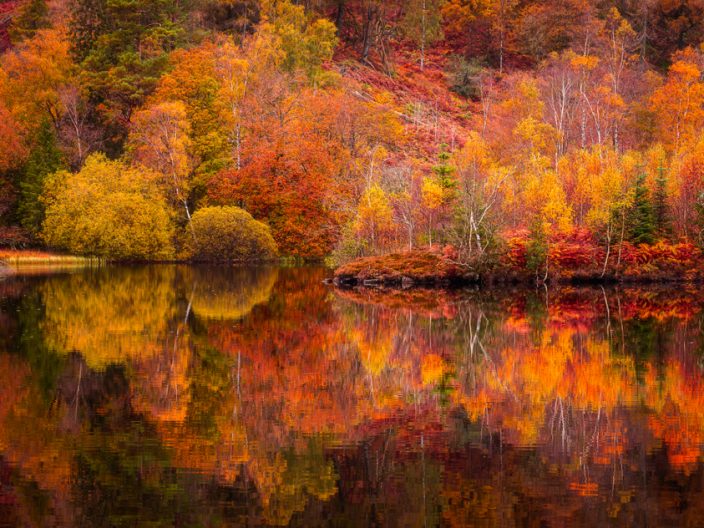
As travel costs in primary European capitals escalate, tactical travelers are increasingly turning to secondary and tertiary markets to maximize their purchasing power. This geographic shift is particularly rewarding during the autumn shoulder season (September through November), when primary destinations experience high congestion and inflated prices.
In contrast, select mid-sized cities across Central, Eastern, and Southern Europe undergo a sharp correction in lodging and dining costs while hosting rich agricultural harvests, academic traditions, and major cultural festivals. These twelve destinations offer premium cultural and environmental experiences at a fraction of the cost of primary hubs.
At a Glance: Your Autumn Arbitrage Matrix
| Destination | Currency | Entry Daily Spend | Comfort Daily Spend | Local Beer | Key Autumn Anchor |
|---|---|---|---|---|---|
| Plovdiv, Bulgaria | BGN (Pegged to EUR) | $23.00 | $62.00 | $1.50 | PhilGood Festival & Wine Festival |
| Sarajevo, Bosnia | BAM (Pegged to EUR) | $35.00 | $75.00 | $2.00 | Post-Film Festival Rates & Mountain Hiking |
| Wrocław, Poland | PLN (Złoty) | $30.00 | $86.00 | $2.50 | Złota polska jesień & Lower Silesian Trails |
| Brno, Czech Republic | CZK (Koruna) | $37.00 | $86.00 | $2.00 | Moravian Burčák Season & Subterranean Vaults |
| Gjirokastër, Albania | ALL (Lek) | $28.00 | $70.00 | $1.00 | Ottoman Tower Guesthouse Off-Peak Rates |
| Coimbra, Portugal | EUR (Euro) | $55.00 | $115.00 | $2.20 | Academic Festa das Latas & Fado |
| Sibiu, Romania | RON (Leu) | $27.00 | $70.00 | $1.80 | Astra Film Festival & Transylvanian Alps |
| Ohrid, North Macedonia | MKD (Denar) | $22.00 | $58.00 | $1.50 | Post-Summer Lakefront Discounting |
| Szeged, Hungary | HUF (Forint) | $33.00 | $75.00 | $2.38 | Low-Cost University Diners & Thermal Wellness |
| Kaunas, Lithuania | EUR (Euro) | $50.00 | $118.00 | $1.10 | Modernist Architecture & Cheap Flights |
| Girona, Spain | EUR (Euro) | $55.00 | $130.00 | $3.50 | Fires de Sant Narcís & Castellers |
| Bergamo, Italy | EUR (Euro) | $59.00 | $163.00 | $5.00 | Low-Cost Airport Transit & Casoncelli |
Balkan Frontiers: Where History Meets Unbeatable Value
The Balkans offer some of Europe’s most dramatic autumn landscapes combined with prices that feel like a throwback to decades past. From ancient Roman theaters to Ottoman stone cities, this region delivers cultural density at backpacker prices.
Plovdiv, Bulgaria: Europe’s Oldest City on a Budget

Plovdiv, recognized as one of Europe’s oldest continuously inhabited urban centers, represents an extraordinary value proposition in autumn. The Bulgarian lev (BGN) is pegged to the Euro at a fixed rate, sheltering international visitors from localized currency volatility.
In October, Plovdiv registers comfortable midday averages of 19°C (67°F) with a drop in humidity to 70%, offering a temperate climate for exploring the ancient ruins of the Roman Theatre of Philippopolis. This monumental site can be viewed for free from the overlooking cliffs of the Old Town, or accessed directly for a nominal entry fee of $3 to $4.
💰 Plovdiv Budget Snapshot
The autumn transition coincides with a 30% to 40% reduction in local hotel rates. This drop allows travelers to secure rooms within the city’s historic 19th-century merchant houses on short notice. Cultural life remains active through the season, anchored by the Plovdiv Wine Festival in the Tsar Simeon Garden, where visitors can sample rare Thracian Valley vintages.
Must-Try: Traditional banitsa pastries for $5, hearty kavarma stew at a traditional mehana for $10, and Thracian estate wines in the trendy Kapana district averaging $4 to $7 per glass.
Sarajevo, Bosnia and Herzegovina: Walkable History at Post-Festival Rates
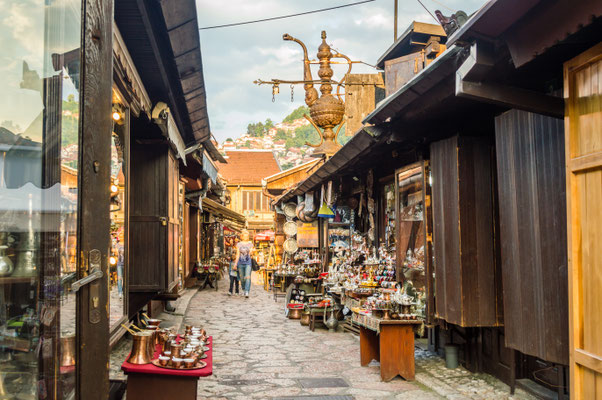
Sarajevo offers exceptional travel value due to its geographic separation from major European rail lines and the favorable valuation of the Bosnian Convertible Mark (BAM), which is pegged to the Euro. The city is highly walkable, allowing visitors to explore the Latin Bridge, the Baščaršija bazaar, and historical walking tours on foot.
Autumn brings a significant price correction after the departure of summer crowds and the end of the Sarajevo Film Festival in August, which typically spikes lodging costs by 50% to 100%. Highly-rated central accommodations, such as the Hostel Franz Ferdinand, cost approximately $18 per night for a dorm bed, while comfortable double rooms in local guesthouses average $43 to $65 per night.
🍽️ Sarajevo Foodie Finds
- Ćevapi: 10 pieces with traditional somun bread and onions — $4.30 to $5.40
- Burek: Savory stuffed pastries (cheese, meat, or spinach) — under $1.50
- Mount Trebević Cable Car: Return ticket — $17.00
- War Childhood Museum: $5.50
- Sarajevo City Hall: $5.50
Ohrid, North Macedonia: Lakefront Luxury for Less
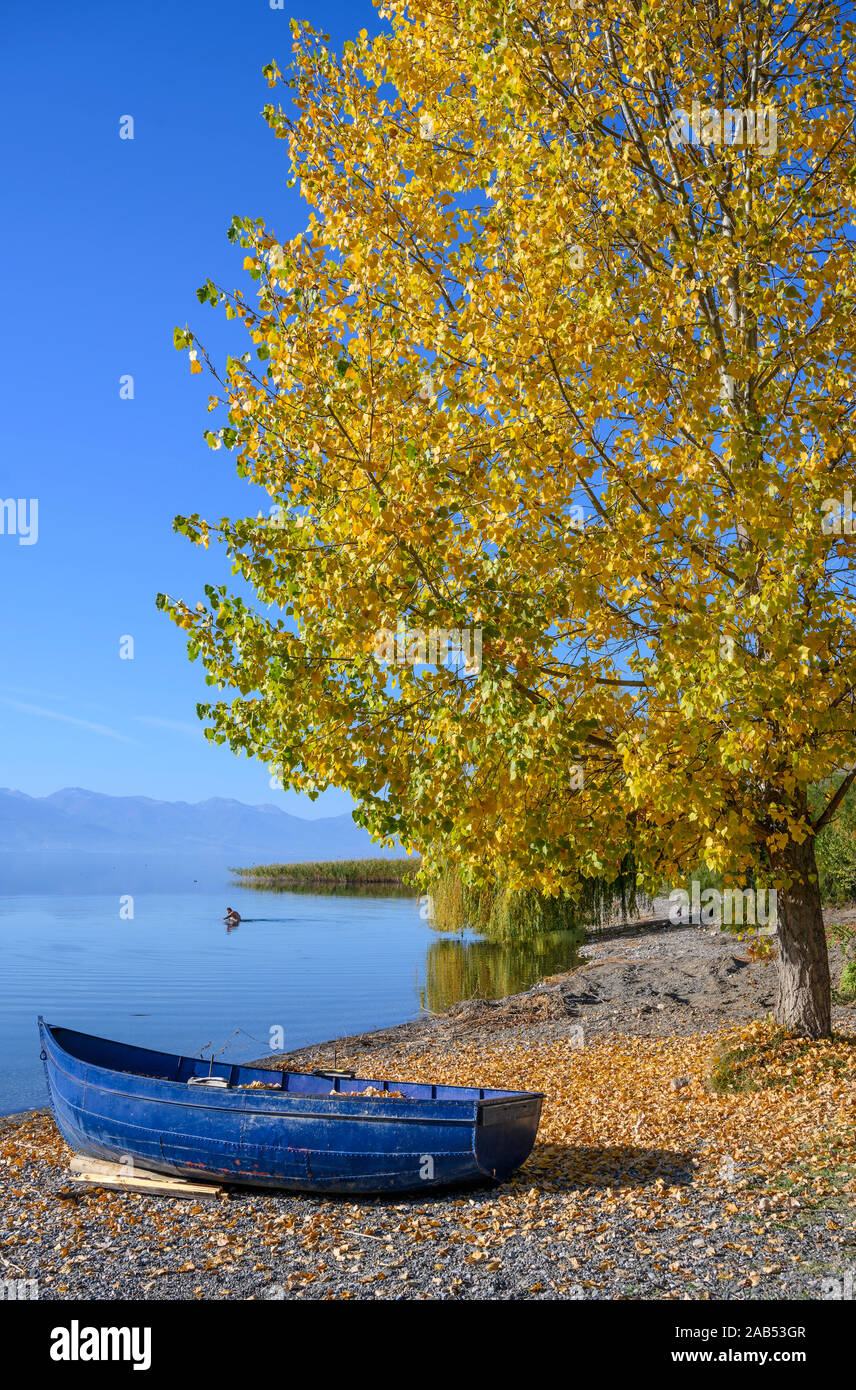
Ohrid features some of the lowest travel costs in Europe, with local prices sitting roughly 50% below the European Union average. Because North Macedonia is not a member of the EU or Schengen Area, long-term travelers can reside here without depleting their Schengen 90-day visa allocation.
In autumn, the intense summer crowds dissipate, and accommodation rates collapse; mid-range double occupancy lakefront rooms drop from their July-August highs of $70 down to $30 per night. The climate remains pleasant enough in September and early October for boat trips on Lake Ohrid ($8 to $15) and visits to landmarks like Samuel’s Fortress ($1.10 entry fee).
Dining Deal: Fresh Lake Ohrid trout served with traditional potato salad, with complete multi-course dinners for two including local Tikveš region wine averaging $25 to $35.
Gjirokastër, Albania: Sleep in a 300-Year-Old Ottoman Mansion
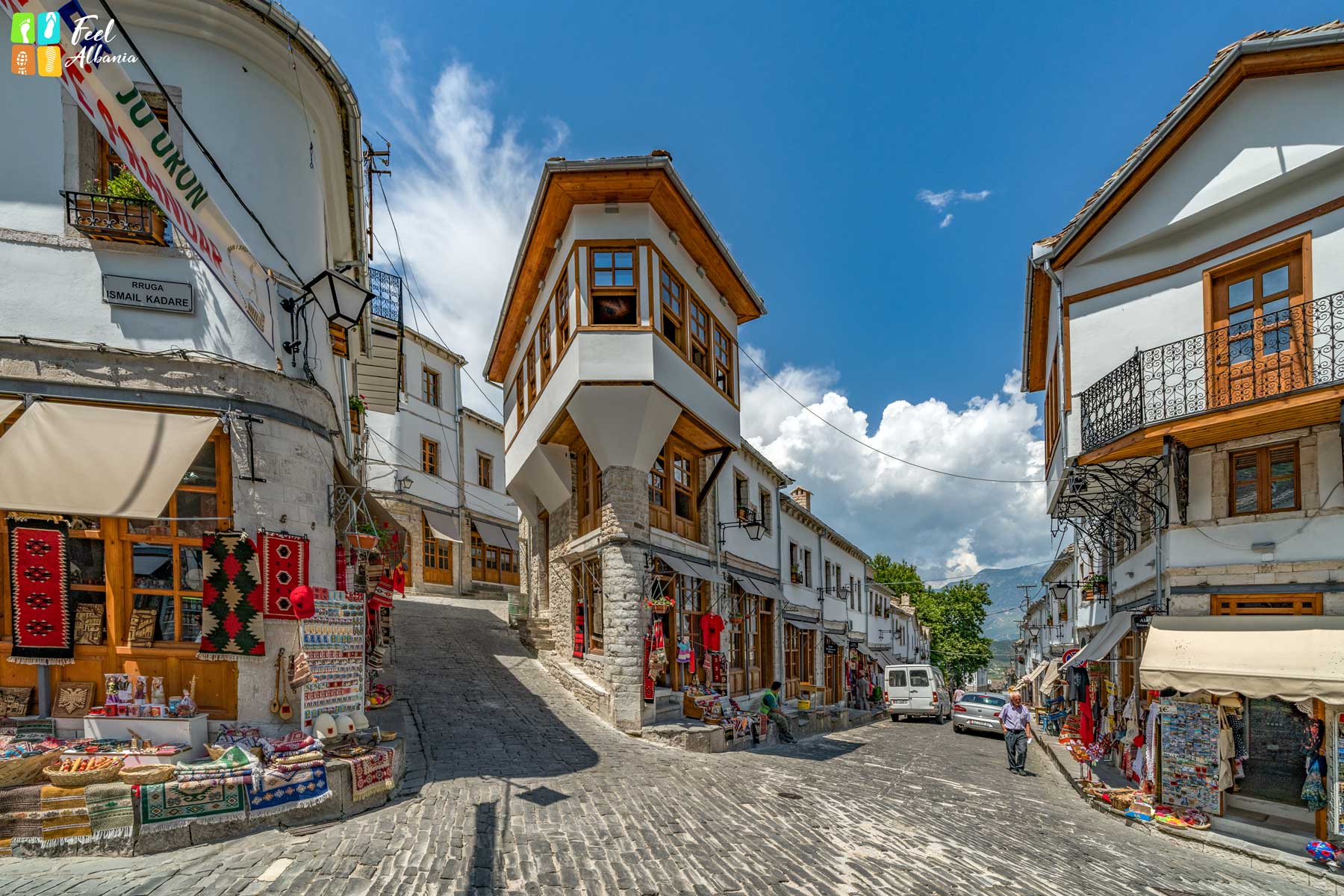
Known as the “Stone City,” the UNESCO-listed town of Gjirokastër is highly affordable, even by Albanian standards. The local economy relies heavily on cash transactions in Lek (ALL), meaning travelers should withdraw currency in the new town before ascending to the historic old bazaar, which has no active ATMs.
A unique accommodation option is the historic Ottoman-era stone tower house, many of which have been converted into guesthouses. A night in a 300-year-old fortified mansion costs between $15 and $35, which generally includes a substantial home-cooked breakfast featuring regional cheeses and fig preserves.
Budget Bites: Local street bakeries sell savory byrek for under $1.00, and family-run taverns serve complete meals of qofte and tavë kosi for $5 to $10 per person.
Central & Eastern European Cultural Powerhouses
These cities prove that cultural richness doesn’t require capital-city budgets. From Moravian wine festivals to Transylvanian film celebrations, autumn brings both lower prices and higher cultural stakes.
Wrocław, Poland: Golden Autumn in the City of Dwarfs
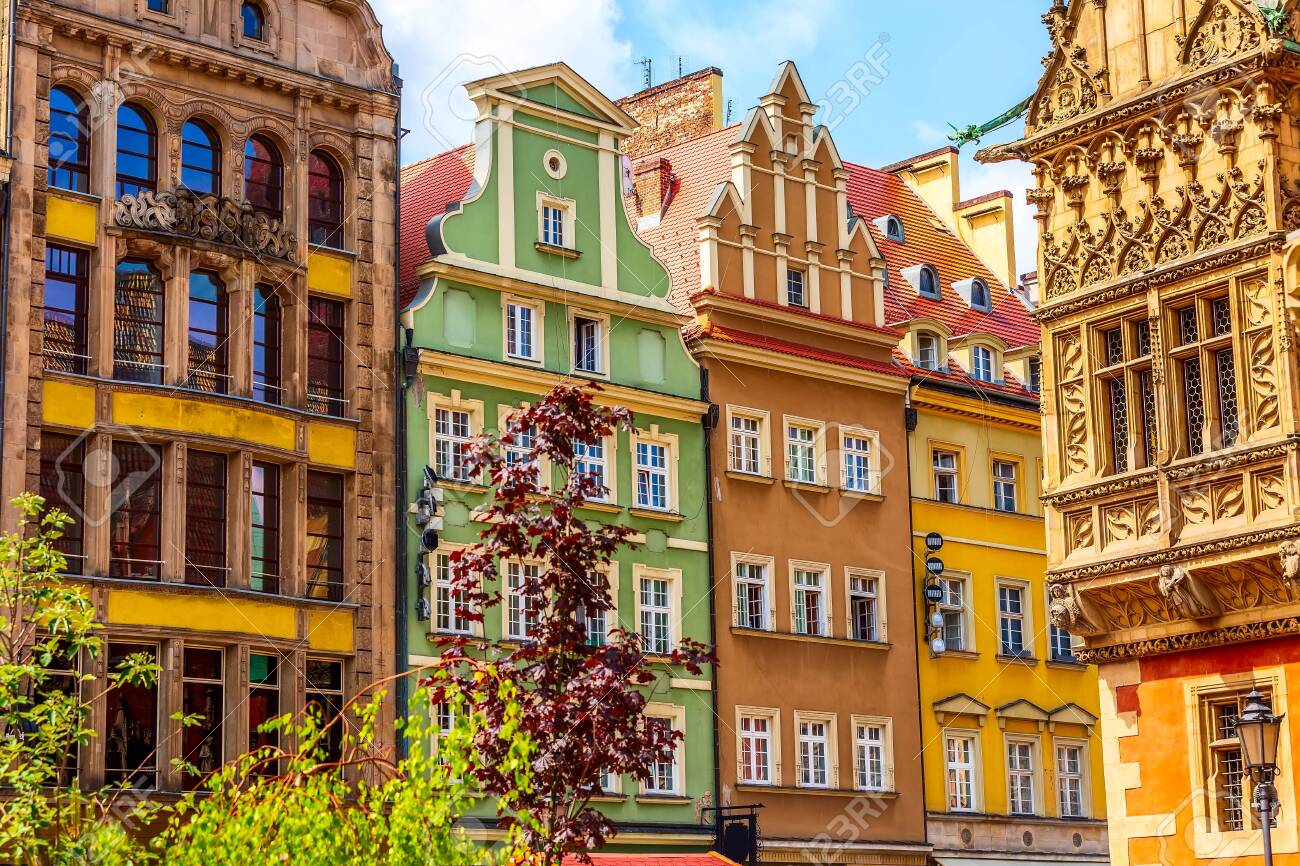
Wrocław is highly regarded for its preservation of Gothic and Baroque architecture, and is one of the greenest urban centers in Southern Poland. The city comes alive during the złota polska jesień (golden Polish autumn), which runs from mid-September to mid-November. During this period, the trees in Szczytnicki Park, the Japanese Garden, and along the Odra River boulevard display brilliant shades of amber, gold, and crimson.
Wrocław is highly walkable, though single-ride tram tickets are available for $0.70 and 24-hour passes cost $1.30. A major economic benefit is the low cost of dining in traditional Polish milk bars (bar mleczny), which are subsidized, no-frills cafeterias serving dishes like pierogi for $5 to $7.
💰 Wrocław Budget Snapshot
Brno, Czech Republic: The Burčák Wine Season
Brno, the historical capital of Moravia, offers a relaxed alternative to Prague. The city operates on the Czech Koruna (CZK), and prices for accommodation, dining, and transit are significantly lower than in the nation’s capital.
The defining feature of autumn in Brno is the Moravian Burčák season, which runs legally from August 1 to November 30, with peak quality occurring from late September through mid-October. Burčák is a partially fermented young wine with a sweet, fizzy flavor profile and active yeast cultures. Authentic Moravian Burčák is a protected geographic product and must be sourced from certified local winemakers. Roadside vendors and autumn harvest markets (vinobraní) sell 1.5-liter bottles for approximately $4 to $6.
Insider Tip: Beyond viticulture, Brno features unique subterranean attractions like the Labyrinth Beneath the Vegetable Market and the 10-Z nuclear fallout bunker. Pub lunch specials start at $6 to $8, and large draft beers average $1.50 to $2.00.
Sibiu, Romania: The Eyes of Transylvania Watch Over You
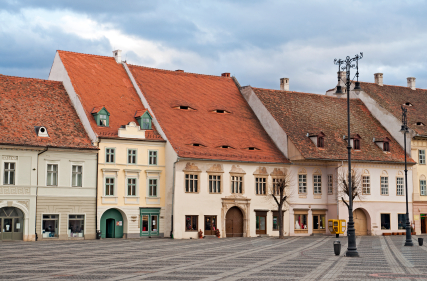
Situated in the historic Transylvania region, Sibiu is one of Romania’s most culturally active and budget-friendly destinations. The city is highly walkable, and its historic center features buildings with unique ventilation windows known as the “eyes of Sibiu.”
A lower 11% value-added tax (VAT) on restaurant meals helps keep dining costs low across Romania. In Sibiu, a casual lunch averages $10 to $16, while a multi-course dinner with local Romanian wine costs approximately $20 to $30. Autumn is an excellent time to visit due to the annual Astra Film Festival in mid-to-late October, which hosts screenings in unique venues including a futuristic “New Media Dome” in the Great Square.
Outdoor Bonus: High-quality guesthouses in the historic core cost between $50 and $80 per night during shoulder season, and the nearby Făgăraș Mountains offer excellent autumn hiking trails that are free to access.
Szeged, Hungary: Sunshine and Thermal Baths on a Student Budget

Located on Hungary’s southern border along the Tisza River, Szeged is an affordable university city that receives more sunshine hours than the rest of the country. Szeged is considerably cheaper than Budapest, with local restaurant prices averaging 8.8% lower, transport costs 9.5% lower, and overall housing and lodging indexes significantly reduced.
During the autumn off-season, hostel dorm beds drop to $11 to $15 per night. The city is highly walkable, and visitors can easily explore the Votive Church, Art Nouveau palaces, and local thermal bath houses. For regional transit, local train connections to the wine-producing town of Eger or the capital of Budapest are highly affordable.
Southwestern European & Baltic Affordability Pockets
From Catalan human towers to Lithuanian modernist architecture, these destinations prove that affordability and world-class culture coexist beautifully during autumn’s golden months.
Coimbra, Portugal: Fado, Festivals, and Freshmen

Positioned on the banks of the Mondego River between Lisbon and Porto, Coimbra is a historic university town and a UNESCO World Heritage site. Coimbra is highly affordable compared to the larger Portuguese cities, particularly regarding dining and student accommodation.
Each October, the city hosts the Festa das Latas (also known as the Latada), a historic university tradition welcoming freshmen to the academic year. The festival begins with the Serenata Monumental at midnight in the Largo da Sé Nova, featuring traditional Coimbra fado music. This is followed by a lively street parade where students dress in creative costumes, display satirical messages, and march with metal cans tied to their ankles.
Student-Friendly Pricing: Order the prato do dia (daily lunch special) for $8.70 to $13.00 at local tascas. The city is easily accessible by train, with a direct rail connection from Porto costing just $18.
Kaunas, Lithuania: Modernist Architecture in Amber Light
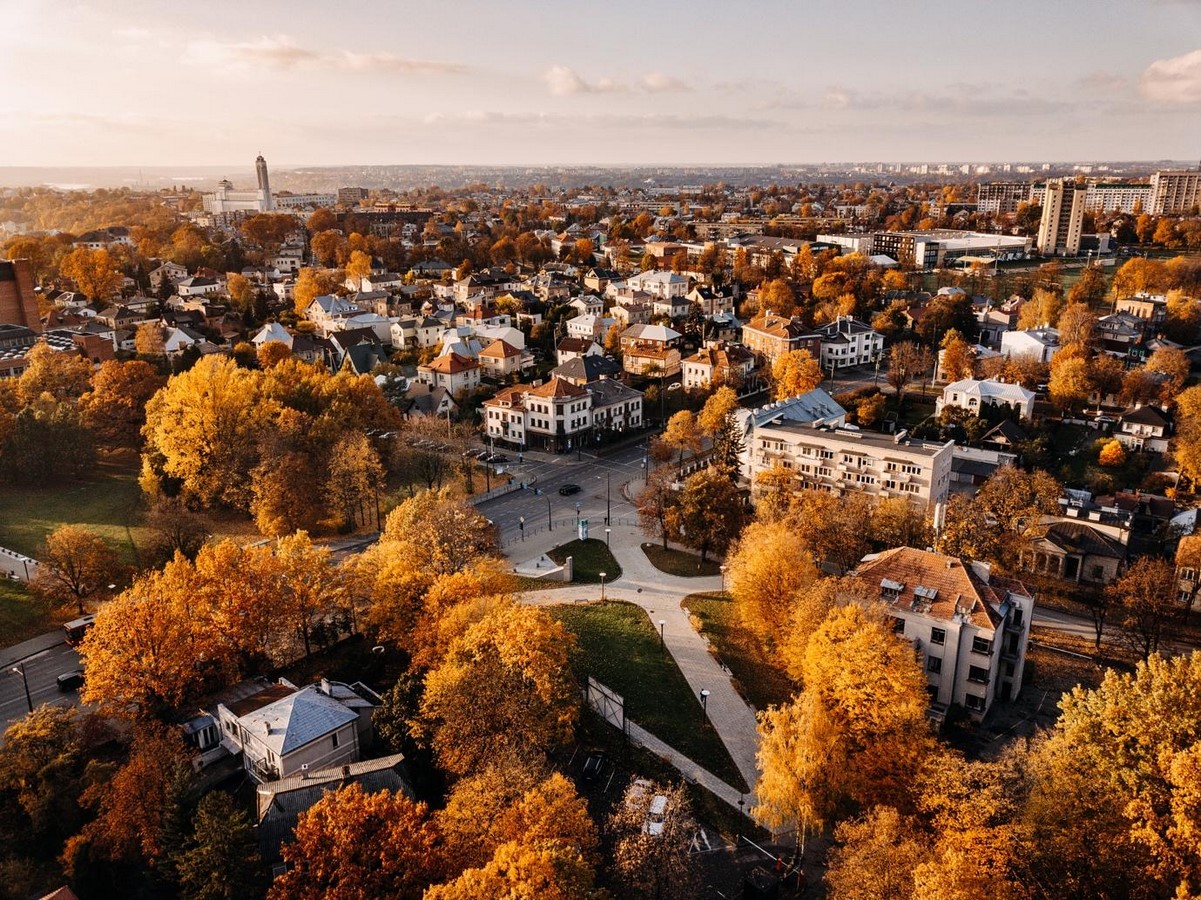
Kaunas, Lithuania’s second-largest city, offers an affordable Baltic urban experience with a wealth of interwar modernist architecture and green spaces. The city is highly accessible, with direct budget flights operating into Kaunas Airport and cheap bus connections linking it to Vilnius ($12) and Riga ($12).
Autumn brings cooler weather, with average highs dropping from 16°C (61°F) in September to 11°C (52°F) in October, accompanied by crisp foliage along the city’s pedestrian avenues. Accommodation is very reasonably priced; the stylish Moxy Kaunas Center in the heart of the city starts at approximately $78 per night. Dining is similarly affordable, with daily lunch specials at local canteens and cafes averaging $10 to $13.
Sweet Treat: A classic Lithuanian donut at the historic Spurginė shop costs less than a dollar, and local draft beers average $1.10 to $2.50.
Girona, Spain: Human Towers and Medieval Walls
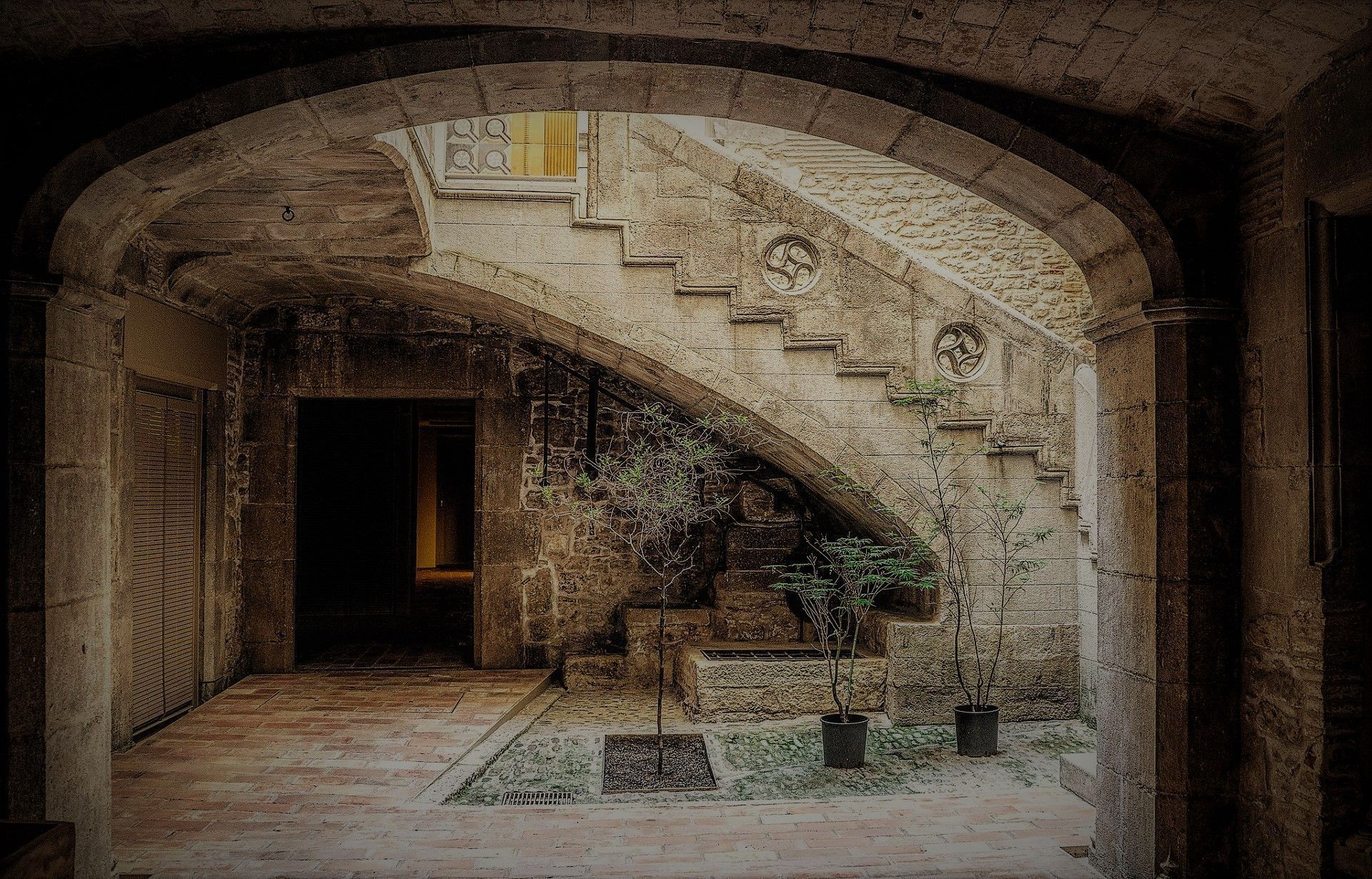
Girona is a historic Catalan city situated between Barcelona and the Costa Brava. It features medieval walls, a historic Jewish Quarter, and a towering cathedral. Girona is highly affordable compared to Barcelona, particularly during the autumn months.
A major highlight of the season is the Fires de Sant Narcís, the city’s grand festival held in late October to honor Saint Narcissus. The festival features over 200 cultural events, including giant papier-mâché parades, correfoc fire runs, and open-air concerts. A key highlight is the diada castellera, where teams build human towers up to ten levels high in the Plaça del Vi.
Dining Hack: Seek out the menú del día (menu of the day) at local restaurants, which provides a multi-course lunch with wine for $14 to $22.
Bergamo, Italy: Milan’s Affordable Alpine Cousin
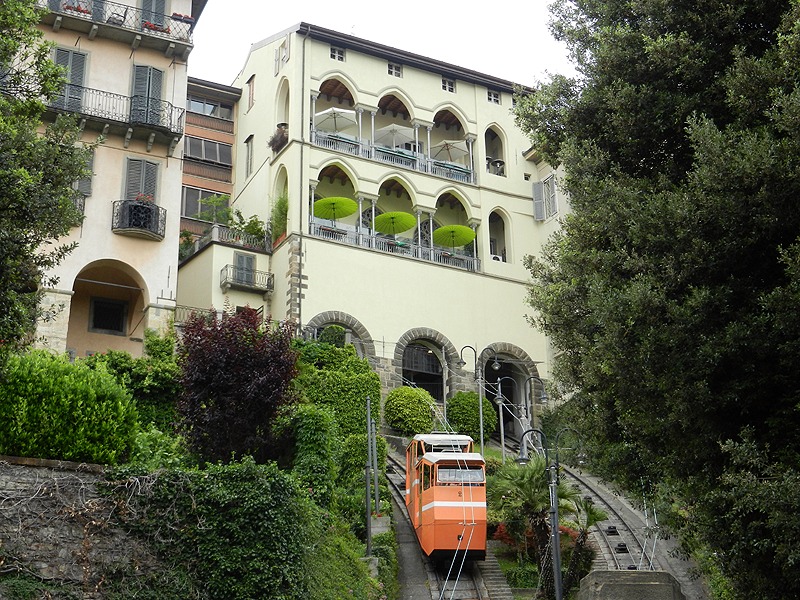
Bergamo is a scenic Lombardy destination divided into the modern Città Bassa (lower city) and the medieval, walled Città Alta (upper city). Bergamo serves as a major hub for low-cost airlines via Milan Bergamo Airport (Orio al Serio), making it a highly accessible and affordable alternative to nearby Milan.
While Milan commands high accommodation rates and tourist taxes, Bergamo offers 3-star hotels and historic B&Bs for $76 to $130 per night during the autumn shoulder season. The culinary differences are also notable; a traditional dinner of casoncelli pasta in Bergamo’s Borgo Santa Caterina costs $18 to $25, compared to $30 to $40 for a similar meal in Milan.
Smart Savings: Purchase the Bergamo Card for $15, which provides unlimited access to the historic funicular, local buses, and several key museums.
Localized Dining & Grocery Cost Breakdown
To illustrate the pricing differences between these destinations, here’s a detailed comparison of everyday travel expenses:
| Destination | Milk Bar / Daily Special | Mid-Range Restaurant | Beer at Pub | Bread / Chicken (1kg) |
|---|---|---|---|---|
| Wrocław, Poland | $4.50 – $6.00 | $13.00 – $18.00 | $3.00 – $5.00 | $1.20 / $2.50 |
| Brno, Czech Rep. | $6.00 – $8.00 | $12.00 – $15.00 | $1.50 – $2.50 | $1.10 / $5.40 |
| Sibiu, Romania | $5.00 – $9.00 | $13.00 – $18.00 | $2.00 – $4.00 | $0.60 / $4.50 |
| Ohrid, N. Macedonia | $1.50 – $2.00 | $9.00 – $12.00 | $1.50 – $2.00 | $0.50 / $4.00 |
| Szeged, Hungary | $7.89 | $17.00 – $25.00 | $2.38 | $1.65 / $6.15 |
| Kaunas, Lithuania | $6.00 – $8.00 | $12.00 – $15.00 | $1.10 – $2.50 | $1.60 / $6.90 |
Why These Cities Stay Affordable: The Macroeconomic Magic
The structural affordability of these twelve secondary destinations during the autumn shoulder season is driven by several key factors that savvy travelers can leverage:
🎓 Favorable Student Demographics
Cities like Coimbra, Brno, Szeged, and Kaunas support large local student populations. To cater to these residents, local businesses maintain lower baseline prices for food, drinks, and public transit. This creates an abundance of cheap dining options, such as canteens, bakeries, and student bars.
💱 Currency Arrangements & Tax Policies
Traveling in countries with currencies pegged to the Euro (such as Bosnia and Herzegovina or Bulgaria) helps insulate visitors from sudden currency fluctuations while offering lower overall price indexes. Furthermore, targeted national tax policies help keep travel costs manageable. Romania’s reduced VAT on restaurant services helps keep dining expenses in cities like Sibiu significantly lower than in Western Europe.
✈️ Budget Airline Infrastructure
The rise of budget airlines operating out of secondary airports (such as Bergamo-Orio al Serio for Milan, Girona-Costa Brava for Barcelona, and Kaunas for Vilnius) has made these destinations highly accessible. Travelers can bypass the expensive transit hubs of primary capitals, saving on arrival costs and starting their journeys directly in lower-cost regional markets.
Strategic Travel Recommendations for Maximum Value
💡 Pro Tips for Your Autumn Adventure
- Utilize Local Currency Options: In cash-based economies like Albania (Gjirokastër) and Bosnia and Herzegovina (Sarajevo), withdraw local currency from reputable bank ATMs in modern city centers to avoid the high conversion fees of independent ATMs in historic tourist zones.
- Prioritize the “Menu of the Day”: In Spain, Portugal, and Romania, seek out the menú del día, prato do dia, or meniul zilei. These fixed-price lunch menus offer two or three courses, often including wine and bread, for a fraction of the cost of a la carte dining.
- Align Visits with Autumn Harvests: Planning travels around regional crop harvests and festivals (such as the Burčák season in Brno, wine festivals in Plovdiv, or the Astra Film Festival in Sibiu) allows visitors to experience unique local traditions at low seasonal rates.
- Leverage Regional Transit Networks: Combine destinations using regional bus and rail lines, such as the direct route connecting Gjirokastër and Berat in Albania, or the budget rail link between Porto and Coimbra in Portugal. This allows for a multi-city itinerary without the high cost of car rentals.
📌 Pin This Guide for Your Fall Trip Planning
Save this budget breakdown and destination guide to your travel board. These 12 European hidden gems offer the perfect combination of autumn beauty, cultural richness, and wallet-friendly prices.
Ready to Chase Autumn Across Europe?
From the Roman theatres of Plovdiv to the modernist avenues of Kaunas, these twelve secondary cities prove that the best European travel experiences don’t require capital-city budgets. By leveraging favorable currency pegs, student economies, and autumn shoulder-season discounts, you can stretch your travel funds while immersing yourself in harvest festivals, historic architecture, and some of the continent’s most stunning fall foliage.
Your autumn arbitrage adventure awaits. Pack a light jacket, bring an appetite for regional harvest cuisine, and discover why Europe’s best-kept secrets are hiding in plain sight.