
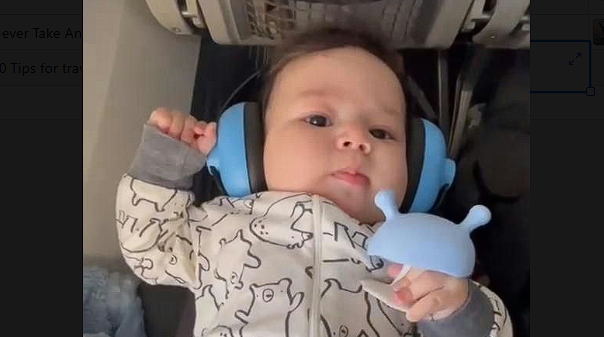
20 Tips for traveling with a baby – Read Now
The Ultimate Guide to Traveling with a Baby: 20 Expert Tips for a Stress-Free Journey
Traveling with an infant can feel like a logistical mountain to climb. As someone who has navigated the cobblestone streets of Europe, the humid jungles of Southeast Asia, and long-haul flights across the Atlantic with a baby in tow, I can tell you one thing: it is entirely possible to explore the world with your little one without losing your sanity.
The secret isn’t in packing every single item your baby uses at home; it’s in strategic planning, embracing flexibility, and knowing which “essentials” are actually luxuries. This guide is designed to move beyond the basic packing lists and provide high-value, actionable strategies for the modern American parent.
Strategic Planning and Logistics
The success of your trip is often decided before you even leave your driveway. Planning for a baby requires a shift in mindset—from a tight itinerary to a “flow-based” schedule.
1. Choose Your Destination Based on Infrastructure
Not all destinations are created equal for babies. When selecting your location, look for “stroller-friendly” cities with paved sidewalks and accessible public transit. If you’re heading to a place with heavy stairs or uneven terrain (like many historic European towns), prioritize a high-quality baby carrier over a bulky stroller.
2. The “Bassinet Seat” Strategy
For international flights, call the airline immediately after booking to request a bulkhead seat with a bassinet. These are limited and first-come, first-served. Having a dedicated space for the baby to sleep allows you to actually eat and rest, turning a 10-hour flight from a nightmare into a manageable experience.
3. Schedule Around the “Golden Window”
Avoid the temptation to stick to a rigid adult itinerary. Instead, plan your most “high-stakes” activities (like museum visits or flights) during your baby’s longest nap or their most content window of the day. Build in “buffer hours” where nothing is scheduled, allowing for unexpected blowouts or nap extensions.
4. Secure Documentation Early
Many parents forget that infants need their own passports for international travel. Apply early, as processing times can fluctuate. For domestic travel within the USA, while not always required, having a digital copy of their birth certificate on your phone can save you from headaches during unexpected security checks or medical visits.
5. The “Quick-Access” Transit Bag
Separate your main luggage from your “transit bag.” This small bag should contain only what you need for the next four hours: diapers, wipes, a change of clothes for the baby, and—crucially—a spare shirt for you. There is nothing worse than spending a flight sitting in leaked formula or baby vomit.
Mastering the Journey (Flights and Cars)
The transit phase is usually the most stressful. The goal here is to manage the baby’s sensory input and physical comfort.
6. Manage Ear Pressure with Feeding
The pressure change during takeoff and landing can be painful for infants. Time a feeding (bottle, breast, or pacifier) specifically for the ascent and descent. The sucking motion helps equalize the pressure in their ears, preventing the dreaded mid-air meltdown.
7. Lean into Baby-Wearing
A high-quality ergonomic carrier (like an Ergobaby or BabyBjörn) is your greatest asset. It keeps your hands free for passports and luggage, provides the baby with the comfort of your heartbeat, and often acts as a natural sedative during chaotic airport terminals.
8. The “Scent of Home” Trick
Babies are highly sensitive to smell. Bring a small blanket or a pajama set that has been washed in your usual detergent at home. Placing this in the hotel crib or over the airplane bassinet provides a familiar olfactory cue that signals “safety” and “sleep,” making it easier for them to drift off in an unfamiliar place.
9. Optimize Your Car Seat Setup
If renting a car, I strongly recommend bringing your own car seat. Rental seats are often worn and their hygiene standards vary. Use a car seat travel bag to protect it from grime and make it easier to transport through the airport. Ensure you have a mirror installed so you can keep an eye on the baby without twisting your neck.
10. Plan for the “Blowout” Emergency
Travel disrupts digestion. Pack a dedicated “emergency kit” in your carry-on: a set of disposable diaper bags, a travel-sized pack of fragrance-free wipes, and a complete change of clothes. Store these in a gallon-sized Ziploc bag; when the accident happens, you can seal the soiled clothes inside the bag to keep the rest of your luggage clean.
Gear and Equipment Hacks
The biggest mistake parents make is over-packing. The goal is to be “light but prepared.”
11. The Stroller Hierarchy
If you are visiting a city, a lightweight, foldable “umbrella” stroller that fits in an overhead bin is superior to a full-sized travel system. If you need the bulkier gear, check for baby gear rental services in your destination city—many companies will deliver a full-sized crib and high chair to your hotel or Airbnb.
12. Portable White Noise is Non-Negotiable
Hotels and airports are loud and unpredictable. A portable, rechargeable white noise machine creates a consistent auditory environment, masking the sounds of slamming hotel doors or airplane engines, which helps maintain the baby’s sleep cycle.
13. Compact Diapering Stations
Not every surface is clean. Carry a foldable, waterproof changing mat. This allows you to change your baby anywhere—from a park bench to a clean-ish airport floor—without worrying about hygiene.
14. Dress in Strategic Layers
Plane temperatures are erratic—freezing one hour, stifling the next. Instead of one heavy outfit, use thin layers. A cotton onesie, a light sweater, and a wearable blanket are far more versatile than a single heavy snowsuit or thick jumper.
15. The Ziploc Organization System
Avoid digging through a giant bag. Pack outfits (socks, onesie, pants) into individual Ziploc bags. Label them “Day 1,” “Day 2,” etc. This speeds up dressing time and provides a waterproof way to store dirty laundry during the trip.
Health, Wellness, and Mindset
The physical and emotional well-being of the parents is just as important as the baby’s.
16. Prioritize Parent Nutrition
It is easy to forget to eat when you’re managing a baby. Low blood sugar leads to irritability and stress. Pack high-protein, one-handed snacks (nuts, protein bars, dried fruit) so you can fuel yourself while holding a child.
17. Build a Compact Medical Kit
Don’t rely on finding a pharmacy in a foreign city at 3 AM. Pack a small kit containing: infant acetaminophen (with a dropper), a digital thermometer, saline drops, a nasal aspirator, and a small supply of bandages. Consult your pediatrician before leaving to ensure you have the correct dosages for your baby’s current weight.
18. Embrace the “Loose Routine”
Trying to maintain a strict 7:00 PM bedtime in a different time zone is a recipe for stress. Instead, follow a “sequence” rather than a “schedule.” If the routine is *Bath → Book → Bed*, do that sequence regardless of whether it’s 6 PM or 9 PM. The sequence tells the baby it’s time to sleep, regardless of the clock.
19. Use Baby-Wearing as a Tool for Exploration
When visiting museums or crowded markets, skip the stroller entirely. Baby-wearing allows you to enter small shops and navigate crowds with ease. It also keeps the baby calm by reducing the overstimulation of seeing too many new things at once.
20. Lower Your Expectations
This is the most vital piece of advice. You will not see every landmark. You will not have a “relaxing” dinner. Your baby will probably cry at the worst possible moment. Accept this as part of the adventure. The goal isn’t a perfect vacation; it’s a shared experience. When you stop fighting the chaos, you start enjoying the journey.
How these insights were developed: This guide is the result of years of first-hand experience traveling across six continents with infants and toddlers. The strategies provided are based on real-world trial and error, combined with an analysis of common pain points faced by American families traveling internationally and domestically. Every tip has been “field-tested” in environments ranging from luxury hotels to budget hostels and long-haul transit.