20 Tips for flying with a baby
20 Essential Tips for Flying with a Baby: A World Traveler’s Guide to Stress-Free Air Travel
Flying with a baby can feel like a high-stakes logistical puzzle. Whether it’s your first trip or your tenth, the anxiety is the same: Will they cry? How do I manage the gear? Will I survive the flight? Having traveled to nearly every continent with children in tow, I have learned that the secret to a successful flight isn’t “perfect” behavior from the baby—it’s a strategic approach to preparation and a flexible mindset.
This guide skips the generic advice and dives into the practical, hard-won strategies that actually work in the pressurized cabin of a commercial aircraft. Here is how to navigate the skies with your little one while maintaining your sanity.
Phase 1: Strategic Pre-Flight Planning
Success starts long before you reach the airport. The decisions you make during booking can significantly impact your comfort level.
1. The “Lap Child” vs. Purchased Seat Debate
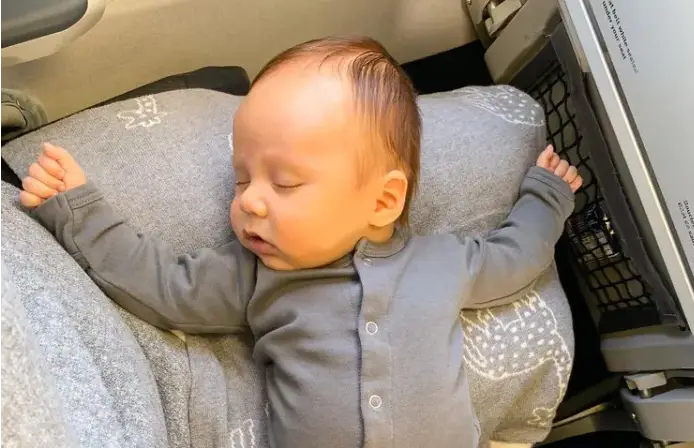
While infants under two often fly for free on a lap, if your budget allows, buying a seat and using an FAA-approved car seat is the gold standard for safety and sanity. It gives you a dedicated space to place the baby and prevents you from having to hold a sleeping infant for six hours straight.
2. Request a Bassinet Seat
On international or long-haul flights, many airlines offer bulkhead seats with attachable bassinets. These are first-come, first-served. Call the airline immediately after booking to request one. This allows you to eat and move without balancing a baby on your lap.
3. Timing Your Flight
While it’s tempting to fly during nap time, remember that airport delays happen. I recommend booking flights that align with their natural sleep patterns but allow for a “buffer” window. If your baby is highly sensitive to routine, a red-eye flight can sometimes be a blessing, as they may sleep through the majority of the journey.
4. Master the TSA Liquid Rules for Baby Food
In the USA, TSA allows “reasonable quantities” of breast milk, formula, and baby food, even if they exceed the 3.4-ounce rule. However, you must declare these items. Pro tip: Pack them in a separate, clear bag to expedite the screening process.
5. Choose Your Boarding Strategy
Airlines usually invite families to board first. However, boarding early means spending more time trapped in a cramped space with a restless baby. Sometimes, boarding last allows you to get the baby settled in their seat immediately upon takeoff, reducing “cabin fever.”
Phase 2: The Ultimate Packing Strategy
Over-packing leads to stress; under-packing leads to panic. The key is “modular packing.”
6. The “Immediate Access” Kit
Do not put everything in one giant bag. Use a small clutch or pouch for “immediate needs” (diapers, wipes, a pacifier, and one toy) that can fit under the seat in front of you. This prevents you from having to stand up and rummage through the overhead bin while the baby is screaming.
7. Pack an Extra Outfit for Yourself
This is the most overlooked tip. Babies don’t just spill on themselves; they spill, leak, and vomit on the parent. A sudden “blowout” or spit-up during takeoff can ruin your entire trip if you’re stuck in a soiled shirt for ten hours.
8. Ziploc Bags for Everything
Bring several gallon-sized Ziploc bags. These are essential for sealing away soiled clothing or diapers when the airplane trash bins are full or out of reach.
9. The “Novelty Toy” Strategy
Familiar toys lose their charm after 20 minutes. Pack 3–5 small, inexpensive toys that the baby has never seen before. Introduce them one by one as the flight progresses. The novelty keeps them engaged far longer than their favorite teddy bear.
10. Comfort Items and Noise Control
A favorite blanket or a sleep sack can signal to the baby that it’s time to wind down. For older babies, noise-canceling headphones or baby-safe ear protection can reduce the stress caused by loud engine noise.
Phase 3: Navigating the Airport and In-Flight
Once you’re in the terminal, the goal is to burn energy and manage pressure.
11. Babywearing is Your Superpower
Use a soft-structured carrier or wrap. It keeps your hands free for luggage and passports, and many babies find the closeness soothing in a chaotic airport environment. It also makes navigating security much easier.
12. Gate-Check Your Stroller
Most airlines allow you to use your stroller right up until the aircraft door. Use this to let the baby nap or stay contained while you wait in the boarding line, then gate-check it for a quick retrieval upon landing.
13. The Pressure Relief Trick (Takeoff and Landing)
Ear pain is the primary cause of mid-flight meltdowns. Ensure your baby is sucking on something during ascent and descent—whether it’s a bottle, breast, or pacifier. The swallowing motion helps equalize the pressure in their ears.
14. Strategic Feeding
Plan your feedings around the most stressful parts of the trip. If you are breastfeeding or bottle-feeding, do so during the climb and the descent. If the baby is on solids, provide small, frequent snacks to keep them occupied and full.
15. The “Aisle Walk” for Restlessness
If the baby becomes inconsolable, don’t be afraid to walk the aisles (when the seatbelt sign is off). The change in scenery and the movement often break a crying spell. It also gives you a moment to breathe.
16. Diaper Change Timing
Change the diaper immediately before boarding. Airplane bathrooms are tiny and challenging. If you must change mid-flight, do it early before the “meal service” begins, as the aisles become congested with carts.
17. Hydration is Key
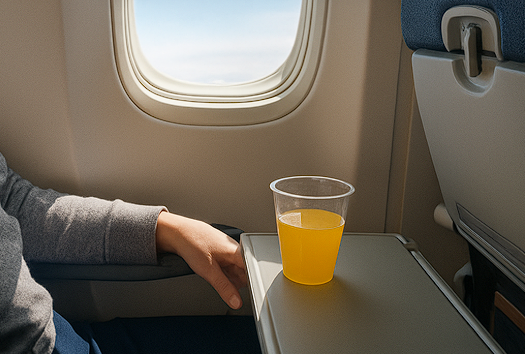
Cabin air is incredibly dry. Ensure your baby is drinking more fluids than usual. For older babies, offer sips of water between milk feedings to prevent dehydration and irritability.
18. Embrace the “Chaos Window”
Accept that there will likely be a period of restlessness. Instead of fighting it, lean into it. Let them wiggle, let them explore the seat (safely), and remember that most fellow passengers are more sympathetic than you think.
Phase 4: Arrival and Recovery
19. Immediate Routine Reset
As soon as you land, try to get the baby back into their familiar routine. A warm bath and a familiar bedtime story help signal to their brain that the “travel mode” is over and it’s time to relax.
20. Managing Jet Lag
If crossing time zones, expose your baby to natural sunlight immediately upon arrival. This helps reset their circadian rhythm faster than trying to force them to sleep at the “local” time.
How these insights were gathered:
This guide is based on over a decade of global travel experience, including long-haul flights across multiple time zones with infants and toddlers. These tips are synthesized from real-world trial and error, analyzing airline policy variations across major US carriers (Delta, United, American), and practical application of pediatric travel recommendations.