5 Paris Monuments That Are Total Tourist Traps And What To See Instead
Beyond the Postcards: 5 Paris Tourist Traps and the Authentic Alternatives
Paris is a city of unparalleled beauty, but for the first-time visitor—especially those traveling from the US—it can often feel more like a curated theme park than a living city. Between the three-hour queues and the overpriced “tourist menus,” it is easy to leave the City of Light feeling like you saw the highlights but missed the soul.
Having navigated nearly every continent and returned to Paris multiple times to peel back its layers, I have learned that the most “famous” spots are often the least rewarding. To truly experience Paris, you have to know when to pivot. Here are five classic Paris monuments that have become tourist traps and the sophisticated alternatives that offer a more genuine connection to the city.
1. The Eiffel Tower Ascent
The Trap: Don’t get me wrong—the Eiffel Tower is a marvel of engineering. However, spending half your day in a security line only to be crammed into a crowded elevator with hundreds of other people is rarely the “romantic” experience promised. Once you reach the top, you realize the one thing missing from your panoramic view is the Eiffel Tower itself.
The Alternative: Tour Montparnasse
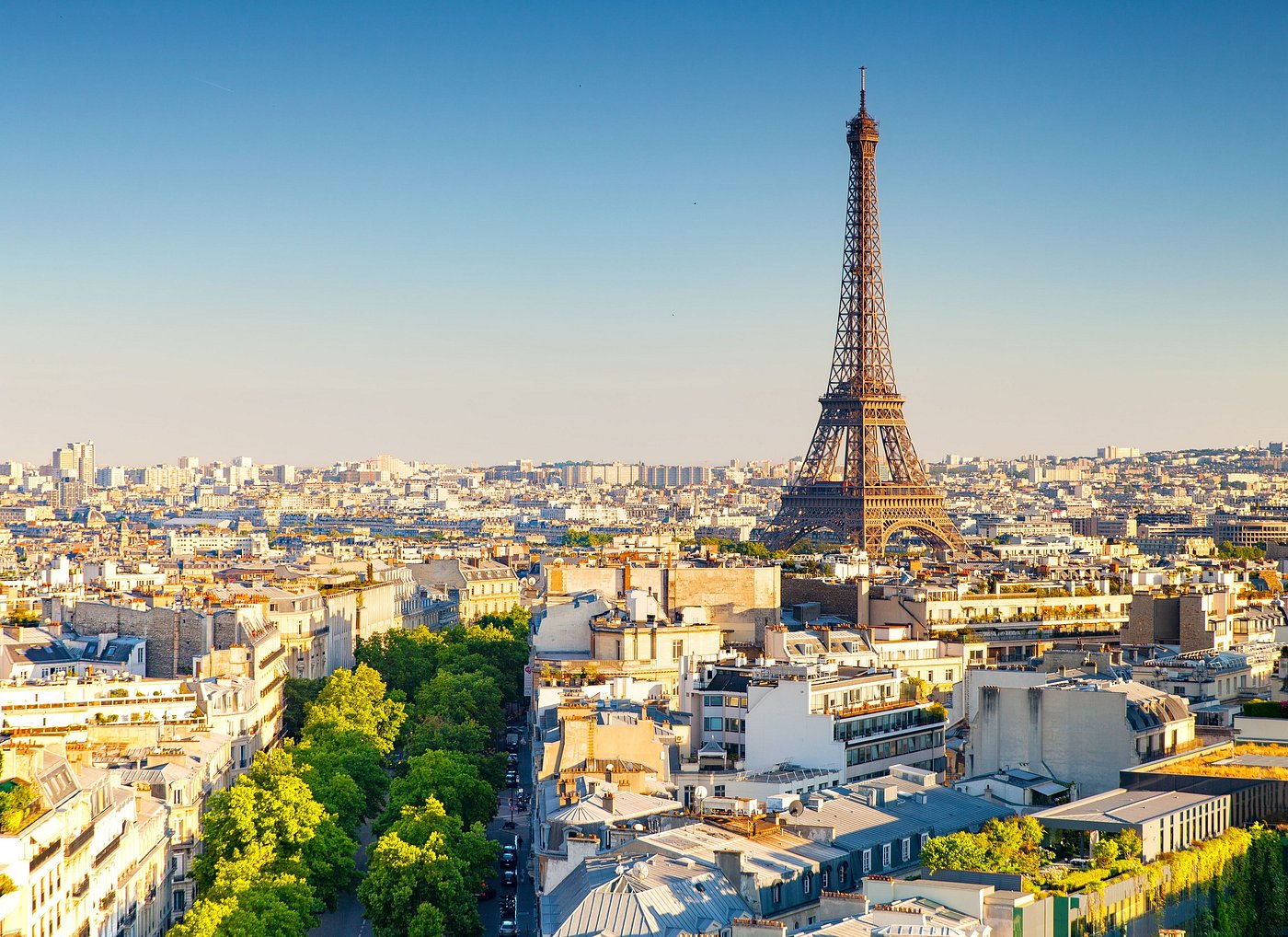
If you want the best view of Paris, you need to be looking at the Eiffel Tower, not standing on it. The Tour Montparnasse offers a breathtaking, unobstructed 360-degree view of the city skyline. Because it is a skyscraper rather than a monument, the lines are significantly shorter, and you get the perfect photo of the Iron Lady framed by the Parisian rooftops.
Pro Tip: For a free alternative, head to the rooftop terrace of the Galeries Lafayette Haussmann. It’s an open-air vista that puts you eye-level with the Opera House and the Eiffel Tower in the distance.
2. The Louvre’s “Mona Lisa” Rush
The Trap: The Louvre is the world’s largest museum, but for many, it becomes a stressful mission to see the Mona Lisa. You will find yourself in a sea of smartphones, fighting through a crowd just to see a surprisingly small painting behind thick bulletproof glass from several feet away.
The Alternative: Musée d’Orsay
Located in a stunning former railway station, the Musée d’Orsay is more manageable and arguably more moving. It houses the world’s greatest collection of Impressionist and Post-Impressionist art. Here, you can stand inches away from Van Gogh’s sunflowers and Monet’s landscapes without the claustrophobic intensity of the Louvre. The architecture of the station itself is a masterpiece, with a giant clock face that offers a unique glimpse of the city.
3. Shopping and Dining on the Champs-Élysées
The Trap: The Champs-Élysées is often described as the “most beautiful avenue in the world,” but in reality, it has become a corridor of global luxury chains (Louis Vuitton, Zara, Apple) that you can find in any major US city. The restaurants here are notoriously overpriced and often lack authentic flavor, catering to the lowest common denominator of tourist tastes.
The Alternative: Le Marais
For a true Parisian shopping and dining experience, head to Le Marais in the 4th arrondissement. This district retains its medieval narrow streets and is the heart of the city’s boutique culture. You’ll find independent concept stores, hidden courtyards, and some of the best food in the city—from the world-famous falafel at L’As du Fallafel to quaint wine bars. It is where the actual Parisians go to spend their weekends.
4. The Sacré-Cœur Plaza Chaos
The Trap: The Basilica of Sacré-Cœur is stunning, but the approach to the church is often a gauntlet of aggressive street vendors trying to tie “friendship bracelets” around your wrist or push overpriced souvenirs. The main square is often so congested that the spiritual serenity of the monument is lost.
The Alternative: The Hidden Alleys of Montmartre
Instead of following the main tourist artery, wander the backstreets behind the Basilica. Visit the Place du Tertre early in the morning before the crowds arrive, or seek out the Vignes de Montmartre (the city’s last remaining vineyard). A walk through the Rue de l’Abreuvoir—often cited as the prettiest street in Paris—provides the romantic, village-like atmosphere that Montmartre is famous for, without the hustle of the main plaza.
5. The Large Glass-Top Seine Cruises
The Trap: The giant, Bateaux-Mouches style cruises are a staple of every tour package. While they offer a good overview, they are often overcrowded, noisy, and feel like a conveyor belt. You are separated from the river by thick glass or high railings, making the experience feel detached from the city.
The Alternative: Walking the Berges de Seine
Paris has spent the last decade transforming the riverbanks (Berges de Seine) into pedestrian parks. Instead of being on a boat, walk the banks. You will see the “bouquinistes” (historic second-hand booksellers) with their green stalls, locals lounging by the water, and a far more intimate view of the bridges. If you must be on the water, look for a private Venetian-style water taxi or a small electric boat rental, which allows you to navigate at your own pace and actually hear the sounds of the city.
How to Navigate Paris Like an Insider
The secret to enjoying Paris is understanding the rhythm of the city. Parisians value discretion, quality over quantity, and the art of flânerie (the act of strolling aimlessly). When you stop trying to “check off” the monuments and start following the local flow, the city opens up in a completely different way.
Methodology: The insights in this guide are based on a decade of international travel and multiple extended stays in Paris. I have cross-referenced these recommendations by comparing tourist density data with local neighborhood trends and firsthand experiences of avoiding the “tourist bubbles” to ensure a high-value, authentic itinerary for travelers who prioritize quality over fame.