
7 Secret Hacks To Nailing That Viral Pinterest Travel Aesthetic
Mastering the Art of the Viral Pinterest Travel Aesthetic: 7 Proven Strategies
We have all seen those Pinterest boards: the sun-drenched streets of Positano, the moody cafes of Paris, and the minimalist luxury of a Tokyo boutique hotel. To the untrained eye, it looks like luck or an expensive professional camera. But after a decade of traversing six continents and documenting my journeys, I have learned that the “Pinterest Aesthetic” isn’t about where you go—it is about how you see and frame the world.
True viral travel content doesn’t just show a destination; it evokes a feeling. It sells a lifestyle of curation, intentionality, and “quiet luxury.” If you want to move beyond basic snapshots and start creating imagery that stops the scroll, you need to shift your focus from documentation to curation.
1. Establish a Cohesive Color Story
The biggest mistake most travelers make is posting a kaleidoscope of random colors. A viral Pinterest aesthetic is built on a consistent color palette. Before you even leave for your trip, decide on the “mood” of your visuals.
- The Mediterranean Palette: Focus on crisp whites, deep ocean blues, and pops of lemon yellow.
- The European Old-World Palette: Lean into muted beiges, sage greens, and terracotta oranges.
- The Urban Minimalist Palette: Prioritize grays, blacks, and stark whites with high contrast.
Once you have your palette, look for these colors in your environment. When you frame a shot, ask yourself: “Does this color fit my story?” If a bright red sign ruins the muted vibe of a cobblestone street, shift your angle to crop it out. Consistency is what transforms a gallery into an aesthetic.
2. The Power of “Micro-Moments” (B-Roll Imagery)
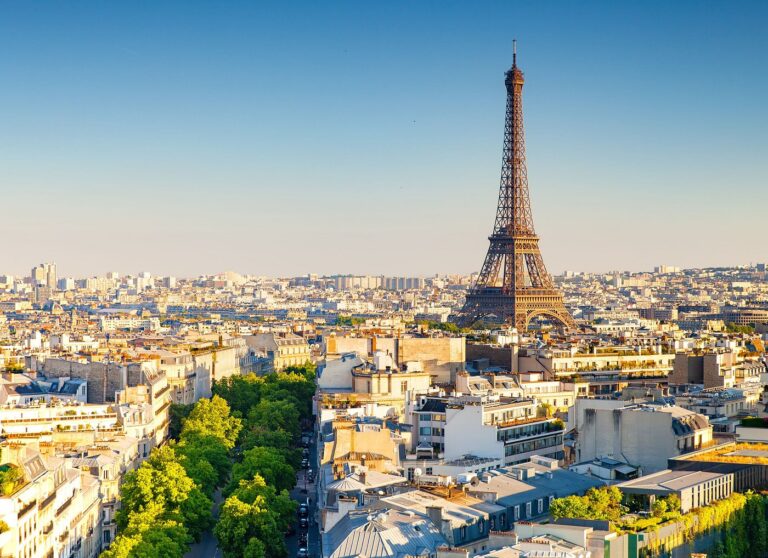
Amateurs focus solely on the landmark—the Eiffel Tower, the Colosseum, the Grand Canyon. Professionals focus on the details that surround the landmark. To nail the Pinterest look, you need a balance of “Hero” shots and “Micro-moments.”
Instead of only taking a photo of the cathedral, capture:
- A close-up of your morning espresso next to a handwritten journal.
- The texture of a limestone wall with a single vine creeping over it.
- Your feet walking across a patterned mosaic floor.
- The way the light hits a glass of wine at golden hour.
These atmospheric shots provide “breathing room” in your feed and create a narrative. They tell the viewer not just where you were, but how it felt to be there.
3. Master the “Candid-Curated” Pose
The era of the “staring at the camera and smiling” travel photo is over. The Pinterest aesthetic thrives on intentional candidness. The goal is to look as though the photographer happened to capture a moment of pure bliss, even if the shot took ten minutes to set up.
Try these techniques:
- The Walk-Away: Walk slowly away from the camera toward the landmark, looking slightly to the side.
- The Interaction: Instead of posing, interact with your environment. Touch a flower, read a menu, or adjust your sunglasses.
- The “Lost in Thought”: Look away from the lens toward the horizon. This creates a sense of longing and wanderlust that resonates with audiences.
4. Strategic Wardrobe Coordination
Your outfit is a primary design element of your photo. If you wear neon colors in a neutral village, you become a distraction from the aesthetic. To achieve a timeless, viral look, stick to neutrals and timeless silhouettes.
Invest in a “travel capsule” of whites, creams, tans, and black. Linen fabrics are particularly effective because they catch the light and add a tactile, organic feel to images. When your clothing complements the architecture and landscape, you blend into the scene rather than clashing with it, making the overall image feel harmonious and professional.
5. Manipulating Light Beyond “Golden Hour”
While everyone knows about Golden Hour, the secret to a high-end aesthetic is knowing how to use Blue Hour and Overcast Light.
- Blue Hour (Pre-sunrise/Post-sunset): This is where you get those moody, cinematic, and romantic vibes. It is perfect for cityscapes and luxury hotel balconies.
- Overcast Days: Many travelers hate clouds, but photographers love them. Clouds act as a giant softbox, eliminating harsh shadows on your face and making colors appear more saturated and true-to-life.
Avoid midday sun whenever possible. If you must shoot at noon, find “open shade” (the edge of a building or under a canopy) to keep the lighting soft and flattering.
6. Subtle Post-Processing (Less is More)
The “over-edited” look—heavy HDR and neon saturation—is outdated. The current viral aesthetic leans toward film-inspired minimalism. The goal is to make the photo look like it was shot on a Leica or a 35mm film camera.
Key editing adjustments:
- Lower the Saturation: Pull back the overall saturation but slightly increase the vibrance to keep skin tones natural.
- Warm the White Balance: Adding a touch of warmth creates an inviting, nostalgic feeling.
- Add a Hint of Grain: A small amount of digital grain removes the “sterile” feel of smartphone photos and adds a professional, editorial texture.
- Fade the Blacks: Lift the black point in your tone curve to create a slightly “matte” finish.
7. The Art of Narrative Sequencing
On Pinterest, a single photo is a spark, but a sequence is a fire. To truly nail the aesthetic, you must think in terms of storyboarding. When uploading a carousel or creating a board, vary your perspectives.
The winning sequence formula:
- The Establishing Shot: A wide-angle photo of the landscape or architecture.
- The Subject Shot: A medium shot of you within that environment.
- The Detail Shot: A close-up of a texture, food, or accessory.
- The Movement Shot: A blurred or candid action photo.
This rhythm prevents the viewer from getting bored and mimics the way a professional travel magazine layouts its pages.
How these insights were developed: These strategies are the result of years of firsthand experience traveling across diverse landscapes and analyzing the visual trends that consistently perform on high-engagement platforms. By blending the technical principles of photography with an understanding of digital psychology and current design trends, I have refined a system that works regardless of the destination or the equipment being used.