
Top Places To Visit In Barcelona: Unforgettable Experience
Places To Visit In Barcelona
Barcelona, a city where ancient history dances with modernist marvels, and vibrant street life meets serene Mediterranean beaches, has long captivated the hearts of travelers worldwide. For American tourists seeking an enriching European adventure, this Catalan capital offers an unparalleled blend of iconic sights, delectable cuisine, and a culture that is both distinctly Spanish and uniquely its own. From the awe-inspiring architecture of Antoni Gaudí to the bustling tapas bars and sun-drenched plazas, Barcelona promises an experience that lingers long after you’ve returned home.
This comprehensive guide is crafted specifically for you, the American traveler, aiming to demystify Barcelona’s charm and equip you with all the essential knowledge to navigate its wonders. We’ll delve into the must-see attractions, uncover local secrets, provide practical tips on everything from dining etiquette to transportation, and ensure your journey is as seamless as it is memorable. Prepare to immerse yourself in the rhythm of Barcelona – a city that truly has something for everyone.
Iconic Barcelona: Must-See Attractions
No visit to Barcelona is complete without exploring its world-renowned landmarks. These architectural masterpieces and historical sites are not just tourist spots; they are the very soul of the city, each telling a story of innovation, tradition, and artistic genius.
Sagrada Familia: Gaudí’s Unfinished Masterpiece
The Basílica de la Sagrada Familia stands as Barcelona’s most iconic symbol and Antoni Gaudí’s magnum opus. This colossal Roman Catholic minor basilica, still under construction since 1882, is a breathtaking fusion of Gothic and Art Nouveau forms, unlike anything else in the world. Its intricate facades depict the birth, life, and passion of Christ, while the interior soars with tree-like columns and stained-glass windows that bathe the space in a kaleidoscope of colors. Gaudí dedicated the latter part of his life to this project, and though he passed away in 1926, construction continues, with a projected completion date in the mid-2030s.
Practical Tips for American Visitors:
- Book Tickets in Advance: This is paramount. Sagrada Familia is Barcelona’s most visited attraction, and tickets sell out weeks, sometimes months, ahead of time. Purchase your tickets online via the official website to secure your entry and preferred time slot. Consider a guided tour for deeper insights into Gaudí’s vision and the basilica’s complex symbolism. Many tours also offer skip-the-line access, saving valuable vacation time.
- Tower Access: For panoramic views of Barcelona and closer inspection of the basilica’s spires, consider adding tower access to your ticket. There are two towers accessible: the Nativity Facade (offering views of the city center and the sea) and the Passion Facade (overlooking the city and the cloister). Note that access is via elevator, but descent is often by a narrow spiral staircase.
- Arrive Early: Even with timed tickets, arriving 15-20 minutes before your scheduled entry allows ample time for security checks.
- Dress Code: As a religious site, shoulders and knees should be covered. This is generally enforced, so plan your attire accordingly.
Park Güell: A Whimsical Wonderland
Perched on Carmel Hill, Park Güell is another of Gaudí’s fantastical creations, a public park system composed of gardens and architectural elements. Originally intended as a residential complex for wealthy families, it evolved into a vibrant public space that showcases Gaudí’s unique blend of nature and architecture. The park is famous for its mosaic lizard (El Drac), serpentine bench, gingerbread-like gatehouses, and stunning views of Barcelona’s skyline, with the Sagrada Familia prominently in sight.
Practical Tips for American Visitors:
- Timed Entry for Monumental Zone: Like Sagrada Familia, the most iconic parts of Park Güell (the Monumental Zone) require a ticket with a timed entry. Book online well in advance to avoid disappointment. The outer areas of the park are free to explore but do not offer the same iconic views or architectural details.
- Transportation: The park is located on a hill. While public transport (bus or metro + walk) is available, be prepared for an uphill walk. Taxis or ride-sharing services can drop you closer to the entrance.
- Best Views: Head to the main terrace for the classic panoramic shot of the city and the famous mosaic bench.
Gothic Quarter (Barri Gòtic): Stepping Back in Time
Lose yourself in the labyrinthine streets of the Barri Gòtic, Barcelona’s oldest neighborhood. This historic quarter is a captivating maze of narrow alleyways, hidden squares, and ancient buildings that date back to Roman times. Here, you’ll find the impressive Barcelona Cathedral, Roman walls, and charming plazas like Plaça Reial, bustling with cafes and palm trees. It’s a place best explored on foot, allowing you to stumble upon unexpected gems at every turn.
Highlights:
- Barcelona Cathedral: A magnificent example of Catalan Gothic architecture. Entry is free during certain hours, but a small fee applies during tourist visiting times.
- Plaça Reial: A grand, arcaded square just off Las Ramblas, known for its palm trees, lampposts designed by Gaudí, and lively atmosphere with restaurants and bars.
- Jewish Quarter (El Call): A smaller, even more ancient section within the Gothic Quarter, offering a glimpse into Barcelona’s medieval Jewish history.
Las Ramblas & Boqueria Market: The Heartbeat of the City
Las Ramblas is arguably Barcelona’s most famous boulevard, a tree-lined pedestrian street stretching from Plaça de Catalunya to the Columbus Monument at Port Vell. It’s a vibrant, bustling artery filled with street performers, flower stalls, cafes, and souvenir shops. While it can be very touristy, especially during peak season, it’s an essential experience for first-time visitors to soak in the city’s energy.
Midway down Las Ramblas, you’ll find the Mercat de Sant Josep de la Boqueria, or simply Boqueria Market. This world-renowned public market is a feast for the senses, overflowing with colorful displays of fresh produce, seafood, meats, cheeses, and an array of local delicacies. It’s a fantastic place to sample local treats, grab a fresh juice, or enjoy tapas at one of the many stalls.
Tips for Visiting Boqueria Market:
- Go Early: To avoid the biggest crowds and see the market at its most authentic, visit in the morning.
- Sample Local Delights: Don’t be afraid to try different foods. Many stalls offer small portions or samples.
- Beware of Pickpockets: Las Ramblas and Boqueria Market are prime locations for pickpockets due to the crowds. Keep your belongings secure and be vigilant.
Casa Batlló & Casa Milà (La Pedrera): Modernist Marvels
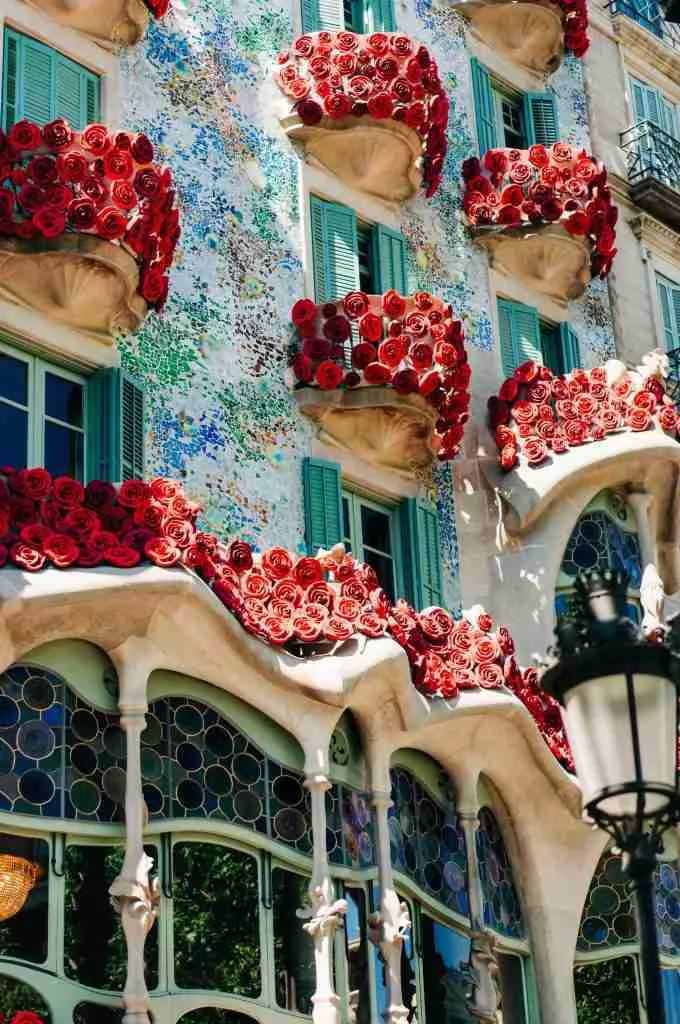
Antoni Gaudí’s influence extends beyond the Sagrada Familia and Park Güell to several other stunning buildings along Passeig de Gràcia. Casa Batlló, known as the “House of Bones” or “Dragon House,” is a surreal masterpiece with a facade resembling a living organism, adorned with colorful mosaics and undulating lines. Just a few blocks away, Casa Milà, or “La Pedrera” (The Quarry), is another iconic Gaudí building, famous for its undulating stone facade and unique rooftop chimneys that resemble warriors.
Both offer immersive visitor experiences, often including multimedia guides that bring Gaudí’s innovative designs to life. While tickets can be pricey, the architectural genius and artistic vision on display are truly unforgettable.
Montjuïc Hill: Views, Culture, and Green Spaces
Rising majestically above the city, Montjuïc Hill offers a refreshing escape with its lush gardens, cultural institutions, and panoramic views of Barcelona and the Mediterranean Sea. It was home to the 1992 Olympic Games and features several notable attractions.
Highlights:
- Montjuïc Castle: A historic fortress at the summit, offering breathtaking 360-degree views. You can reach it via a cable car (Telefèric de Montjuïc) from the base of the hill.
- Magic Fountain of Montjuïc: A spectacular display of water, light, and music, especially popular in the evenings (check schedules as they vary by season).
- Poble Espanyol: An architectural museum featuring replicas of various Spanish buildings, showcasing the diversity of Spanish architecture.
- Olympic Park: Home to the Olympic Stadium and other facilities from the 1992 Games.
Barceloneta Beach: Urban Oasis
Barcelona’s urban beaches provide a perfect contrast to its historical and architectural wonders. Barceloneta Beach, the most famous and easily accessible, offers a lively atmosphere where you can relax on the sand, swim in the Mediterranean, or enjoy fresh seafood at one of the many beachfront chiringuitos (beach bars). It’s a great spot for a leisurely stroll, people-watching, or simply soaking up the sun.
Beyond the Postcards: Deeper Dives for American Travelers
To truly experience Barcelona, venture beyond the main tourist circuits and immerse yourself in its diverse neighborhoods and rich culinary scene. Understanding local customs will also significantly enhance your trip.
Neighborhoods to Explore & Stay: Finding Your Vibe
Choosing where to stay can define your Barcelona experience. Each neighborhood offers a distinct atmosphere, catering to different preferences.
- Eixample: This elegant, grid-patterned district is known for its wide avenues, modernist architecture (including Casa Batlló and Casa Milà), and upscale shopping. It’s central, well-connected by public transport, and generally quieter than the Old City. Ideal for those seeking comfort, convenience, and a touch of sophistication. Many excellent hotels are located here [4].
- Gràcia: Once a separate village, Gràcia retains a charming, bohemian, and independent spirit. It’s characterized by narrow streets, picturesque squares (like Plaça del Sol and Plaça de la Vila de Gràcia), and a vibrant local scene with independent boutiques, cafes, and restaurants. It offers a more authentic, less touristy feel, popular with artists and young professionals. It’s a bit further from the very center but well-connected [4].
- El Born: Part of the Ciutat Vella (Old City), El Born is trendy and historic, blending medieval charm with modern flair. It’s home to the Picasso Museum, Santa Maria del Mar Basilica, and a plethora of chic boutiques, artisan workshops, and lively bars. It’s central, walkable, and offers a vibrant nightlife, though it can be busy [4].
- Poble Sec/Sant Antoni: These up-and-coming neighborhoods, adjacent to the Old City, are gaining popularity for their authentic local vibe and burgeoning food scene. They offer a more residential feel with traditional markets, local eateries, and a growing number of trendy bars and restaurants. Great for those looking for a more local experience away from the main tourist crowds.
- Gothic Quarter (Barri Gòtic) / El Raval (Cautionary Notes): While historically significant and central, staying directly in the Gothic Quarter or El Raval can be a mixed experience. The Gothic Quarter can be very crowded, noisy, and some areas, particularly at night, may feel less safe due to narrow, winding streets and increased pickpocketing activity. El Raval, while culturally rich and diverse, has areas that can be gritty and less comfortable for some tourists. For first-time American visitors, Eixample, Gràcia, or El Born often provide a more comfortable and balanced base [4].
A Taste of Catalonia: Food & Drink Etiquette
Barcelona’s culinary scene is a highlight for many visitors. Understanding local dining customs will enhance your experience.
- Meal Times: Be prepared for later dining hours than in the USA. Breakfast is typically 8-10:30 AM, lunch (the main meal) is from 1:30-3:30 PM, and dinner usually starts around 9-10 PM [3]. Many restaurants close between lunch and dinner service. If you’re hungry earlier, look for places offering continuous service or grab tapas.
- Tapas Culture: Tapas are small plates designed for sharing. The best way to enjoy them is to order a few different dishes for the table and share. Don’t be afraid to try new things! Many bars specialize in specific tapas.
- Must-Try Dishes:
- Paella: While a Spanish classic, authentic paella is often found on the coast. In Barcelona, look for seafood paella or fideuà (a noodle-based paella). Be aware that some tourist-trap restaurants may serve subpar versions.
- Jamón Ibérico: Cured Iberian ham, a national treasure. Enjoy it on its own or with bread.
- Patatas Bravas: Fried potato cubes served with a spicy tomato sauce and aioli. A ubiquitous and delicious tapa.
- Seafood: Given Barcelona’s coastal location, fresh seafood is abundant and excellent.
- Cava: Catalonia’s sparkling wine, a delightful alternative to French Champagne.
- Tipping in Barcelona: This is a significant cultural difference for Americans. Tipping is not as expected or as generous as in the USA. For casual meals or drinks, rounding up to the nearest euro or leaving a few coins is sufficient. For excellent service in a nicer restaurant, a tip of 5-10% is considered generous but not obligatory [3]. You will not be pressured to tip. Do not feel obligated to tip for every coffee or small purchase.
- Drinking Water: Tap water in Barcelona is safe to drink [3]. However, many locals prefer bottled water due to taste. If you order water in a restaurant, you will typically receive bottled water and be charged for it. You can ask for “un vaso de agua del grifo” (a glass of tap water), but it’s not common practice in restaurants. Consider carrying a reusable water bottle and refilling it at public fountains.
Navigating Barcelona: Getting Around Like a Local
Barcelona boasts an excellent public transportation system, making it easy to explore the city without a car.
- Public Transport: The metro and bus networks are efficient, clean, and cover virtually the entire city. The T-Casual card (formerly T-10) is highly recommended for visitors. It offers 10 journeys that can be used across metro, bus, tram, and FGC trains within a 1.5-hour window, allowing for transfers. You can purchase it at any metro station [3].
- Walking: Many of Barcelona’s most charming areas, like the Gothic Quarter, El Born, and Gràcia, are best explored on foot. Wear comfortable shoes, as you’ll be doing a lot of walking!
- Taxis/Ride-sharing: Taxis are readily available and identifiable by their black and yellow colors. Ride-sharing apps like Cabify and Free Now (formerly MyTaxi) are also popular and can be convenient, especially for longer distances or late-night travel. Uber is not widely available in Barcelona.
- Airport Transfer (BCN – El Prat): Getting from Barcelona-El Prat Airport (BCN) to the city center is straightforward. Options include:
- Aerobus: A direct express bus service to Plaça de Catalunya, running frequently. It’s convenient and affordable [3].
- Train (Renfe): Connects Terminal 2 to several central stations, including Passeig de Gràcia. If you arrive at Terminal 1, a free shuttle bus connects to T2.
- Metro (L9 Sud): Connects both terminals to the city’s metro network, though it requires a transfer to reach most central areas.
- Taxi/Ride-sharing: The quickest but most expensive option. Fares are regulated, and there’s a minimum charge for airport trips [3].
Practical Tips for American Visitors
To ensure a smooth and enjoyable trip, keep these practical considerations in mind.
Safety First
Barcelona is generally a safe city, but like any major tourist destination, it has its share of petty crime. Pickpocketing is the most common issue, particularly in crowded areas like Las Ramblas, Boqueria Market, metro stations, and major attractions.
Precautions:
- Be Vigilant: Always be aware of your surroundings.
- Secure Valuables: Use a cross-body bag or money belt. Avoid keeping wallets in back pockets or phones in easily accessible pockets.
- Avoid Flashing Cash/Jewelry: Try not to draw unnecessary attention to expensive items.
- Be Wary of Distractions: Pickpockets often work in teams, using distractions to divert your attention.
- Report Incidents: If you are pickpocketed, report it to the local police (Mossos d’Esquadra) immediately, as you’ll need a police report for insurance claims.
Language Basics
Barcelona is in Catalonia, an autonomous community of Spain, and has two official languages: Catalan and Spanish (Castilian). While Catalan is the local language and you’ll see it on street signs and official documents, Spanish is universally understood. English is widely spoken in tourist-heavy areas, hotels, and restaurants, so you’ll likely have no trouble communicating [3].
A few polite phrases in Spanish or Catalan will go a long way:
- Hello: Hola (Spanish) / Hola (Catalan)
- Goodbye: Adiós (Spanish) / Adéu (Catalan)
- Please: Por favor (Spanish) / Si us plau (Catalan)
- Thank you: Gracias (Spanish) / Gràcies (Catalan)
- Excuse me: Perdón (Spanish) / Perdó (Catalan)
- Do you speak English?: ¿Habla inglés? (Spanish) / Parles anglès? (Catalan)
Currency & Payments
Spain uses the Euro (€). Credit cards (Visa, Mastercard, American Express) are widely accepted in most establishments, but it’s always a good idea to carry some cash for smaller purchases, markets, or establishments that might be cash-only. ATMs are readily available. Inform your bank of your travel plans to avoid any issues with card usage abroad.
Connectivity
Staying connected is easy in Barcelona. Most hotels, cafes, and public spaces offer free Wi-Fi. For continuous connectivity, consider purchasing a local eSIM or a physical SIM card upon arrival, or check with your US mobile provider about international roaming plans. Many US carriers offer affordable international passes.
When to Visit
Choosing the right time to visit Barcelona can significantly impact your experience.
Shoulder Seasons (April-May and September-October) are generally considered the best [11] [12] [13]:
- Weather: Pleasant temperatures, ideal for sightseeing and outdoor activities.
- Crowds: Fewer tourists than the peak summer months, leading to shorter lines and a more relaxed atmosphere.
- Prices: Often more reasonable for flights and accommodation compared to summer.
Summer (June-August):
- Pros: Hot, sunny weather perfect for beaches, vibrant nightlife, many festivals.
- Cons: Very crowded, high temperatures (can be uncomfortable for sightseeing), higher prices for everything.
Winter (November-March):
- Pros: Mild temperatures (compared to much of the USA), very few tourists, lower prices, festive atmosphere around Christmas.
- Cons: Some attractions may have reduced hours, cooler weather, occasional rain.
Day Trips from Barcelona: Explore Beyond the City
If you have extra time, consider venturing outside Barcelona to explore the diverse landscapes and charming towns of Catalonia.
Montserrat: Mountain Monastery, Stunning Views
Just an hour by train from Barcelona, Montserrat is a spectacular multi-peaked mountain range home to a Benedictine monastery, Santa Maria de Montserrat. It’s a significant religious site and a natural park offering breathtaking views, hiking trails, and the famous Black Madonna statue. Take a cable car or funicular up the mountain for an unforgettable experience.
Girona: Medieval City, Game of Thrones Filming Locations
North of Barcelona, the medieval city of Girona is a hidden gem. Its beautifully preserved Old Town, with its ancient walls, narrow cobbled streets, and the Onyar River lined with colorful houses, is a delight to explore. Fans of Game of Thrones will recognize several filming locations here. It’s easily accessible by high-speed train.
Costa Brava: Beautiful Coastline, Charming Towns
For those seeking sun, sea, and picturesque coastal towns, the Costa Brava (Wild Coast) is a fantastic option. Towns like Tossa de Mar, Cadaqués, and Calella de Palafrugell offer stunning beaches, crystal-clear waters, and delicious seafood. While some towns are reachable by bus, renting a car provides the most flexibility to explore this beautiful region.
Sitges: Coastal Town, Relaxed Vibe
A short train ride south of Barcelona, Sitges is a charming coastal town known for its beautiful beaches, lively promenade, and vibrant arts scene. It’s a popular day trip destination for those looking to relax by the sea, enjoy good food, and soak in a more laid-back atmosphere.
Planning Your Trip from the USA
Getting to Barcelona from the United States is straightforward, with numerous flight options and clear entry requirements.
Flights: Direct Routes, Major US Hubs, Airlines
Many major US cities offer direct flights to Barcelona-El Prat Airport (BCN). Key hubs include New York (JFK, EWR), Miami (MIA), Chicago (ORD), and Los Angeles (LAX). Airlines like American Airlines, Delta, United, Iberia, and Level (a low-cost long-haul carrier) operate these routes [6] [7]. Flight times typically range from 7-9 hours for direct flights from the East Coast and 10-12+ hours from the West Coast [8]. Booking flights approximately 40 days in advance can often yield better fares [9].
Booking in Advance
For popular attractions like Sagrada Familia and Park Güell, booking tickets online several weeks or even months in advance is crucial to secure your preferred entry times and avoid long queues. The same applies to popular accommodations, especially during peak season or shoulder seasons, to ensure availability and better rates [4].
Visa Requirements: Schengen Area Rules for US Citizens
US citizens can travel to Spain (part of the Schengen Area) for tourism or business for up to 90 days within any 180-day period without a visa [2]. Ensure your passport is valid for at least three months beyond your intended departure date from the Schengen Area and has at least two blank pages for stamps. Starting in mid-2025, US citizens will need to apply for an ETIAS (European Travel Information and Authorization System) authorization before traveling to the Schengen Area. This is not a visa but a pre-travel authorization, similar to the ESTA for the USA.
Conclusion: Your Barcelona Adventure Awaits
Barcelona is a city that truly has it all: a rich tapestry of history and cutting-edge modernism, a culinary scene that tantalizes the taste buds, and a vibrant culture that embraces both tradition and innovation. For American travelers, it offers an accessible yet profoundly foreign experience, filled with opportunities for discovery and delight.
Armed with this guide, you’re now better prepared to plan an unforgettable journey to this magnificent Catalan capital. From marveling at Gaudí’s architectural wonders to savoring authentic tapas in a bustling square, and from exploring ancient Gothic alleys to relaxing on sun-kissed beaches, Barcelona awaits. Pack your bags, embrace the adventure, and get ready to create memories that will last a lifetime. ¡Buen viaje!
References
- 13 best things to do in Barcelona (+ map & travel guide) – Mariela Around the World
- Barcelona Travel Guide – U.S. News & World Report
- Barcelona tips and tricks for visitors 2025 – Latitude 41
- Where to Stay in Barcelona: Complete Guide for First Timers – Wheatless Wanderlust
- A Local’s Guide to Barcelona, Spain – Go Ask A Local
- Flights from Barcelona (BCN) to United States – Virgin Atlantic
- Flight from United States to Barcelona – Air France
- Direct Flights to Spain from the USA – Rabbie’s
- Cheap flights from Barcelona to the United States – Momondo
- When Is the Best Time to Visit Barcelona? Here’s What You Need to Know – GoWithGuide
- The Best Time to Visit Barcelona | Weather & Travel Guide – Royal Caribbean
- Best time to visit Spain – Intrepid Travel