
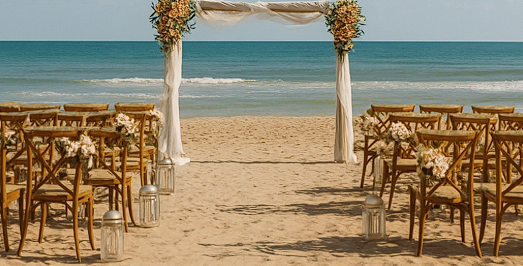
11 Genius Destination Wedding Ideas Most Brides Completely Overlook
Beyond the Beach: 11 Sophisticated Destination Wedding Ideas Often Overlooked by Couples
Planning a destination wedding is often framed as a choice between a white-sand beach in Mexico or a rustic villa in Tuscany. While these are stunning, they are also the most common—and often the most stressful—options due to overcrowding and predictable pricing. Having traversed six continents and coordinated events in some of the world’s most remote corners, I have seen firsthand where destination weddings succeed and where they crumble under the weight of logistical oversight.
The secret to a truly memorable destination wedding isn’t the prestige of the location; it is the intentionality of the experience. To move beyond the clichés, you need to consider the guest journey and the logistical nuances that most couples overlook until it is too late.
1. The “Shoulder Season” Strategic Pivot
Most couples aim for the peak of summer or the height of the dry season. This leads to inflated vendor prices and crowded tourist landmarks. The “Genius” move is targeting the shoulder season—the period between the peak and off-peak seasons.
For example, visiting the Amalfi Coast in late September or early October offers the same breathtaking vistas but with significantly lower hotel rates and a more relaxed atmosphere. You avoid the oppressive July heat and the crushing crowds, ensuring your guests actually enjoy the destination rather than feeling like tourists in a queue.
Pro Tip: Research local festivals during the shoulder season. You can often piggyback your wedding on a local celebration, adding authentic cultural flair to your event without extra cost.
2. Prioritizing the “Travel Hub” Logic
Brides often choose a venue based on a photo on Instagram, forgetting that guests have to actually get there. A remote jungle lodge may look divine, but if it requires three different flights and a four-hour boat ride, your guest list will shrink rapidly.
Instead, choose a destination that is a major travel hub or is within a two-hour drive of one. By selecting a location with high flight connectivity, you reduce the stress on your guests and increase the likelihood of a full house. If the venue is remote, the “genius” move is to organize a seamless, pre-paid shuttle system from the nearest international airport.
3. The Symbolic Ceremony Shortcut
One of the biggest headaches of destination weddings is the legal paperwork. Every country has different requirements, from blood tests to residency periods and translated documents.
Many couples overlook the efficiency of the “Symbolic Ceremony.” Perform the legal marriage in your home state or city a week prior in a private, low-stress setting. Then, hold a fully realized, beautiful symbolic ceremony at your destination. You get all the emotion and celebration of a wedding without the bureaucratic nightmare of foreign marriage licenses.
4. Implementing a Digital Guest Concierge
A wedding website is standard, but a “Guest Concierge” approach is professional. Instead of a static FAQ page, create a dynamic digital guide (via a dedicated app or a highly structured Notion page) that includes:
- Curated “Local’s Only” dining recommendations.
- Pre-arranged ride-share codes or transport schedules.
- A detailed packing list based on the specific micro-climate of the venue.
- Direct contact links for the on-site coordinator.
When guests feel guided, they stop asking the couple logistical questions, allowing you to actually enjoy your wedding week.
5. The “Second City” Strategy
Instead of the most famous city in a country, look for the “second city.” Everyone goes to Paris; consider Lyon. Everyone goes to Lisbon; consider Porto. Everyone goes to Tokyo; consider Kyoto.
Second cities often offer a more authentic cultural experience, lower costs for luxury venues, and a sense of discovery for your guests. It transforms the wedding from a “vacation” into an “adventure,” making the event feel unique and curated rather than a cookie-cutter luxury package.
6. Hyper-Local Sourcing for Decor and Favors
The instinct for many brides is to ship familiar decor or specific flowers from home to ensure a certain “look.” This is a logistical risk and an environmental burden.
The most sophisticated weddings embrace the environment. Use the local flora—even if it’s not the specific peony you dreamed of—and hire local artisans for your favors. Whether it is hand-painted ceramics from Italy or organic coffee beans from Colombia, local sourcing reduces costs, supports the community, and grounds your wedding in the actual spirit of the destination.
7. Curated “Shared Discovery” Excursions
Most couples leave their guests to their own devices during the downtime. This often leads to guests feeling isolated or bored. The high-value approach is to curate 2–3 optional, low-pressure group activities.
Think of a guided morning walk through a local market, a private wine tasting, or a group cooking class. These shared experiences build a bond between different friend groups and family members before the wedding day, creating a more cohesive and warm atmosphere during the reception.
8. The “Slow Wedding” Multi-Day Itinerary
A destination wedding shouldn’t be a one-day event with travel attached; it should be a multi-day experience. The “Slow Wedding” approach spreads the celebration over three to four days.
Start with a casual “Welcome Toast” on arrival, followed by a day of leisure, a rehearsal dinner that feels like a dinner party, and finally the wedding. By decelerating the timeline, you remove the frantic energy of a traditional wedding and replace it with a sense of luxury and presence.
9. Carbon-Offsetting and Sustainable Logistics
With the increase in global travel, many modern couples feel “fly-guilt.” A sophisticated touch is to integrate sustainability into the planning. This can be as simple as partnering with a carbon-offsetting program for your guests’ flights or choosing a venue with a zero-plastic policy.
Providing guests with high-quality, reusable water bottles upon arrival is a small gesture that proves you’ve thought about the environmental impact of bringing 50+ people to a foreign ecosystem.
10. The “Domestic Destination” Illusion
Not every destination wedding needs to cross an ocean. Many couples overlook the “Domestic Destination”—locations within the USA that feel entirely international. Think of the vineyards of Napa Valley for a Tuscan vibe, the coast of Maine for a Nordic feel, or the deserts of Arizona for a Moroccan aesthetic.
This removes the barrier of passports and long-haul flights while still providing the “getaway” experience your guests crave.
11. The Pre-Wedding “Immersion” Day
Instead of a traditional bridal shower or bachelor/bachelorette party, organize an “Immersion Day” at the destination. Invite your core group to a local experience—like a perfumery workshop in France or a pottery class in Japan—the day before the official festivities begin.
This allows you to spend quality time with your closest people in a relaxed setting, grounding you emotionally before the whirlwind of the wedding day begins.
How These Insights Were Developed
The strategies outlined in this guide are not based on wedding trends or brochures. They are the result of years of global travel and analyzing the friction points that occur when logistics meet luxury. By observing the failures of over-planned “Pinterest weddings” and the success of immersive, guest-centric events, I have synthesized these eleven overlooked ideas to help couples prioritize experience over optics. My approach is rooted in the belief that a wedding is not just a ceremony, but a curated journey for everyone involved.