
Fun Educational Vacations Kids Will Actually Love
Beyond the Classroom: How to Plan Educational Vacations Kids Actually Love
Every parent has been there: you’ve planned a “culturally enriching” trip to a world-famous museum or a historical landmark, only to spend four hours listening to your children complain that they are bored, tired, or want to go back to the hotel. The gap between “educational” and “fun” is often a wide chasm, and most travel itineraries fall right into the middle of it.
Having traveled to over 60 countries with a focus on immersive experiences, I’ve learned that the secret to a successful educational vacation isn’t finding the “right” destination—it’s changing the method of engagement. Kids don’t hate learning; they hate passive observation. To make a trip truly educational and enjoyable, you must shift from a “lecture” model to an “exploration” model.
The Core Philosophy: Active vs. Passive Learning
The biggest mistake parents make is treating a vacation like a textbook. Reading a plaque at a monument is passive. Digging in the dirt at an archaeological site or navigating a foreign subway system using a map is active. When kids are active participants in their discovery, the education happens organically.
To ensure your kids actually love the experience, integrate these three pillars into your planning:
- Agency: Give them a role. Let them be the “Lead Navigator” for one afternoon or the “Chief Photographer” tasked with documenting specific wildlife.
- Gamification: Turn the learning into a quest. Instead of saying “Look at the art,” give them a scavenger hunt list of specific items to find.
- Sensory Connection: Focus on smell, taste, and touch. History is more memorable when it’s tied to the taste of a traditional street food or the feel of ancient stone.
Top Destination Ideas for High-Engagement Learning
1. The Living Laboratory: Costa Rica & The Galápagos
If your children are interested in animals or the environment, skip the zoo and head to these biodiversity hotspots. These aren’t just trips; they are immersive biology lessons.
How to make it fun: Instead of just hiking, provide them with a field journal. Challenge them to sketch three different species of birds or track how the landscape changes as you move from the coast to the cloud forests. This transforms a walk in the woods into a scientific expedition.
2. The Time Machine: Greece and Italy
Classical history can feel dry in a classroom, but it comes alive when you can physically stand in the Colosseum or walk the streets of Athens. The key here is to avoid “Museum Fatigue.”
How to make it fun: Focus on “Mythology Hunts.” Before the trip, read a few Greek myths together. When you visit the Parthenon, ask them to find the specific gods mentioned in the stories. Contrast the ancient ruins with modern Italian pizza-making classes to show the evolution of culture through food.
3. The Tech and Tradition Blend: Japan
Japan is the ultimate destination for kids who love a contrast between the futuristic and the ancient. From the neon lights of Akihabara to the serene shrines of Kyoto, the learning opportunities are endless.
How to make it fun: Engage with the “culture of respect.” Let the kids lead the way in learning basic Japanese etiquette—how to bow, how to use chopsticks, and how to navigate the high-speed Shinkansen trains. This teaches emotional intelligence and global citizenship in a tangible way.
4. The American Heartland: US National Parks
You don’t need a passport for a world-class education. The US National Park system is an incredible resource for geology, ecology, and American history.
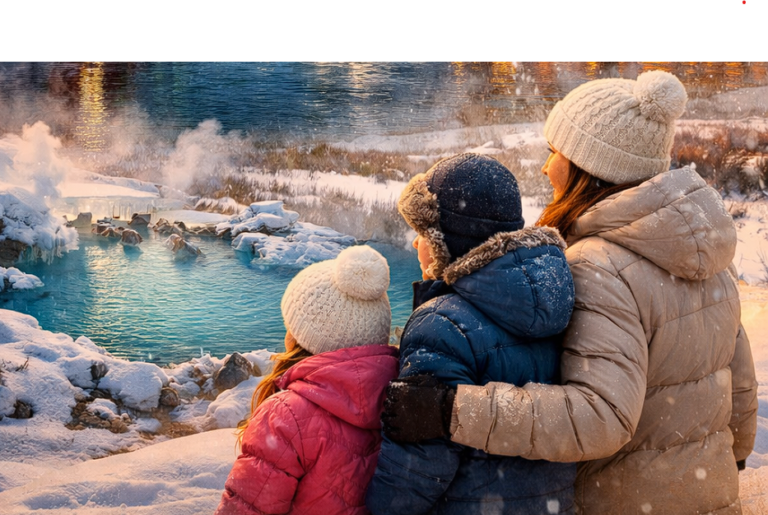
How to make it fun: Aim for the “Junior Ranger” programs. These programs are gold standards in educational travel because they provide a structured goal (the badge) and a tangible reward. Whether it’s the geothermal wonders of Yellowstone or the depths of the Grand Canyon, the goal-oriented nature of the Junior Ranger program keeps kids focused and excited.
Practical Strategies for a Stress-Free Educational Trip
Even the best destination can be ruined by a rigid schedule. To maintain the “fun” factor, apply these professional travel strategies:
The “One Big Thing” Rule
Avoid the temptation to cram four museums into one day. Implement the “One Big Thing” rule: plan one primary educational activity per day. Leave the rest of the time for unstructured exploration, swimming, or resting. This prevents burnout and keeps the kids receptive to learning.
The “Choice” Method
Give your children a sense of ownership. Present them with two options for the afternoon: “Do you want to visit the science center or the botanical gardens?” When they choose the activity, they are psychologically more invested in the outcome and less likely to complain.
The Post-Trip Reflection
The learning shouldn’t end when you land back home. Create a physical or digital scrapbook together. Ask them: “What was the weirdest thing you saw?” or “What is one thing you learned that surprised you?” This reinforces the memory and helps them synthesize the experience into actual knowledge.
Closing Thoughts: The Long-Term Value
Educational vacations are not about checking boxes or seeing the most sights. They are about fostering a sense of curiosity and a global perspective that cannot be taught in a classroom. When we stop trying to “force” education and instead create environments where curiosity is rewarded, kids don’t just learn—they thrive.
How these insights were gathered: This guide is based on a decade of global travel experience, incorporating observations from diverse cultural interactions and the practical application of experiential learning techniques across various age groups. By analyzing what causes “travel friction” with children and identifying the triggers for genuine engagement, these strategies have been refined to maximize both education and enjoyment.