
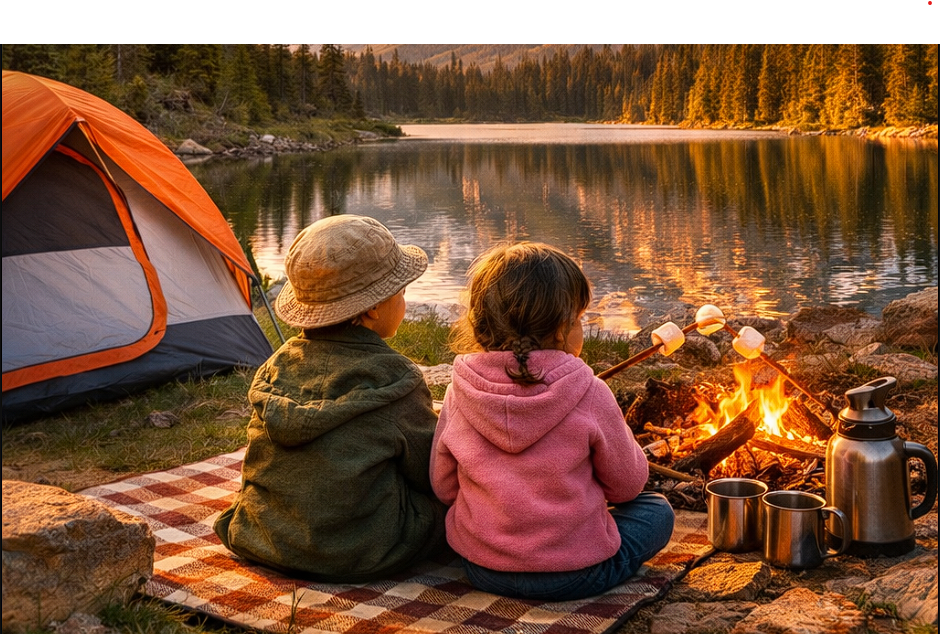
Beginner’s Guide to Camping with Little Kids
The Ultimate Beginner’s Guide to Camping with Little Kids: Tips for a Stress-Free Adventure
Taking your children camping for the first time can feel less like a vacation and more like a tactical military operation. As someone who has traversed nearly every continent and slept in everything from luxury lodges to remote mountain tents, I can tell you one thing: the magic of the outdoors is the greatest gift you can give your children, but the success of the trip depends entirely on your preparation.
The goal of your first trip shouldn’t be “roughing it”; it should be “creating a positive association.” If the kids have a meltdown because they are cold or bored, they won’t want to go back. Here is how to ensure your first family foray into the wilderness is a success.
Choosing the Right First Campsite
Not all campsites are created equal, especially when toddlers or preschoolers are involved. For your first outing, avoid the deep backcountry. Instead, focus on “Front-country” camping—sites that are accessible by car and offer basic amenities.
- Proximity to Facilities: Choose a site with clean, accessible restrooms and potable water. When a diaper needs changing or a face needs washing, a 20-minute hike to the nearest facility is a recipe for disaster.
- The “Buffer” Zone: Look for sites with a natural boundary (like a line of trees or a fence) or a wide-open area where you can easily keep an eye on your children without spending the entire trip shouting “Stay close!”
- State Parks vs. National Forests: For beginners, State Parks are often the gold standard. They usually have better-maintained pads, designated fire rings, and often provide playgrounds or educational centers nearby.
The Gear: Focus on Comfort and Safety
You don’t need the most expensive gear, but you do need gear that serves a specific purpose. For little kids, comfort equals cooperation.
Sleep Systems
Sleep is the hardest part of camping with kids. To mitigate the “I can’t sleep here” meltdown:
- The Familiarity Factor: Bring their favorite pillow, a specific stuffed animal, or a sleep sack from home. Familiar smells and textures signal to their brain that it is time to sleep, regardless of the environment.
- Insulation from the Ground: Kids lose body heat faster than adults. Don’t rely on a thin tent floor. Use a high-R-value sleeping pad or even a foldable foam mattress to keep them off the cold earth.
- Overdress for Bed: Even in summer, temperatures drop at 3 AM. Layering is key. Fleece pajamas and a warm sleeping bag are essential.
The “Yes-Zone” Setup
Once you pitch your tent, establish a “Yes-Zone.” This is a designated area (perhaps marked by a few bright cones or a specific blanket) where kids are allowed to explore freely without being told “no” or “don’t touch that.” This reduces parental stress and encourages childhood curiosity.
Feeding the Small Humans
Hungry kids are grumpy kids. The secret to camping food with children is simplicity and accessibility.
- Pre-Prep Everything: Do your chopping, marinating, and portioning at home. Pack ingredients in reusable silicone bags. The less time you spend prepping at the picnic table, the more time you spend supervising your children.
- The “Snack Station”: Keep a dedicated bin of healthy, easy-to-reach snacks (dried fruit, nuts, cheese sticks). This prevents “hanger” during the transitions between activities.
- Kid-Friendly Contributions: Let them help. Give them a job, like “The Stick Collector” for the campfire or “The Water Bottle Filler.” When kids feel they are contributing to the camp’s survival, they are more engaged.
Entertainment and Engagement
Nature is the ultimate playground, but some children need a bridge to get there. Don’t expect them to be instantly captivated by a tree.
The Nature Scavenger Hunt
Create a simple visual list (drawings of a pinecone, a flat stone, a yellow leaf, a bird) and give them a small bag to collect their treasures. This transforms a walk into a mission.
Low-Tech Activity Kits
Bring a few “quiet time” activities for the tent during rain or pre-nap wind-down:
- Bubbles and sidewalk chalk (great for the campsite pad).
- A magnifying glass for “bug hunting.”
- A basic binoculars set.
Crucial Safety Tips for Parents
Safety is the foundation of trust. If you are anxious, your kids will be too.
- The “Whistle” Rule: For kids old enough, give them a small safety whistle to wear around their neck. Teach them: “If you can’t see Mommy or Daddy, stop walking and blow the whistle.”
- First Aid Beyond the Basics: In addition to bandages and antiseptic, pack plenty of children’s antihistamines, hydrocortisone cream for bug bites, and a digital thermometer.
- Water Safety: If your site is near a lake or stream, establish a strict “No water without a grown-up” rule from the moment you arrive.
Final Advice: Manage Your Expectations
The most important piece of gear you can bring is a flexible mindset. Things will go wrong. A tent leak will happen, a child will spill a bag of marshmallows, or someone will wake up at 4 AM. Instead of viewing these as failures, view them as the “adventure” part of the trip.
Pro Tip: The Backyard Trial Run. Before heading to the woods, spend one night camping in your backyard or a local park. This allows your children to get used to the gear and the concept of sleeping in a tent without the stress of a long drive and remote location.
How this guide was developed: These insights are the result of over a decade of global travel, combining hands-on experience camping in diverse climates with a deep analysis of common pitfalls faced by first-time family campers. By blending professional expedition logistics with the practical realities of parenting, this guide provides a realistic framework for a successful outdoor experience.